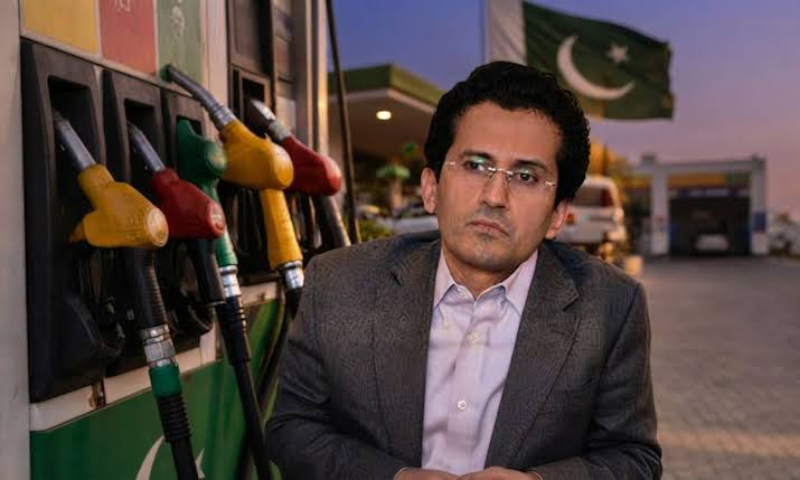
Lahore, September 20, 2026: Petroleum Minister Ali Pervaiz Malik on Sunday warned that petrol prices could reach Rs1,000 per litre if a fuel shortage emerged in the country amid a sharp rise in global oil prices triggered by renewed hostilities in the Middle East.
Speaking to journalists in Lahore, Malik said petroleum prices had already increased by around 50 per cent in Pakistan, while fuel prices in Europe and the United States had also risen significantly.
He termed the Houthi attacks unacceptable and said the government was providing relief to vulnerable segments of society to mitigate the impact of rising fuel prices.
The minister also said work had begun on oil wells and expressed hope that domestic crude oil could be discovered by October, which could help reduce Pakistan’s dependence on costly imports.
The warning comes amid heightened volatility in international oil markets following renewed hostilities in the Middle East and the reported closure of the Strait of Hormuz.
The latest escalation followed the collapse of a fragile ceasefire reached in June between Tehran and Washington, while Houthi attacks on Saudi Arabia’s civilian and economic infrastructure have added to concerns about disruptions to global energy supplies.
Following the latest domestic price revision, petrol is being sold at Rs389.14 per litre, while high-speed diesel costs Rs424.04 per litre.
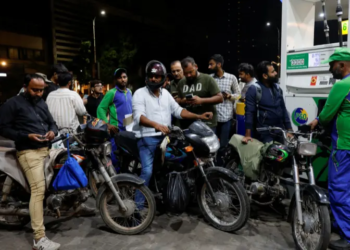
Amid rising fuel prices, Prime Minister Shehbaz Sharif last Sunday launched a special relief scheme offering a Rs100 per litre discount on petrol for motorcyclists, rickshaw and Chingchi owners and drivers of vehicles up to 800cc.
Federal Minister for IT and Telecommunication Shaza Fatima later announced three changes to the scheme.
The eligibility criteria were expanded to include motorcycles registered from January 1, 2006, instead of the earlier 2011 cut-off, following feedback from citizens and journalists.
The previous five-litre limit per token was also abolished, allowing eligible two- and three-wheeler users to purchase fuel according to their requirements. Each eligible beneficiary can obtain four tokens per month, with each token carrying a relief amount of Rs500.
“For example, if two litres of petrol cost Rs780, the beneficiary would pay Rs280 after applying the Rs500 relief token,” Fatima explained.
The government also abolished SMS charges under the scheme, making messaging free for all beneficiaries regardless of vehicle type.
Fatima said more than 1.75 million registrations had been completed under the scheme by 3pm, while around 1.5 million tokens had been generated and more than 680,000 tokens had already been redeemed at petrol stations.