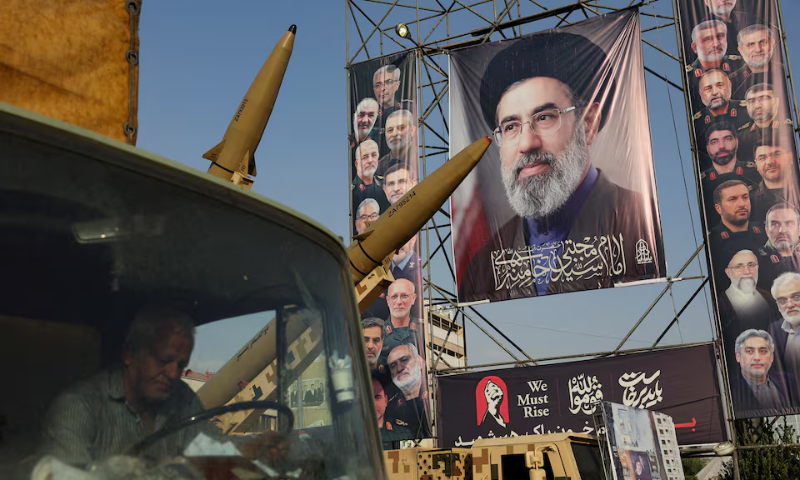
Dubai, October 1, 2026: Iran is preparing a broader and more forceful response if the United States resumes large-scale military attacks, while continuing diplomatic efforts that Iranian officials privately consider unlikely to succeed, according to Reuters.
Senior Iranian commanders are reviewing plans that could expand potential targets beyond US-linked assets to countries supporting US military operations and possibly to locations outside the Middle East, according to three senior Iranian officials and an individual familiar with the discussions. No final decision has been made, Reuters reported.
The planning has intensified since President Masoud Pezeshkian returned from New York last week, with senior officials considering the scope and timing of any response should Washington launch further strikes.
The developments follow more than seven months of conflict that began with US-Israeli attacks on February 28. An April 8 ceasefire ended the 40-day war, but hostilities have continued intermittently, according to Reuters.
Hamidreza Azizi, a senior Iran analyst at the International Crisis Group, said Tehran remained uncertain whether US President Donald Trump would launch another major campaign or opt for more limited strikes, including attacks on nuclear facilities.
Tehran, he said, appeared determined to respond more forcefully to any renewed US action in an effort to restore deterrence.
Two Iranian officials told Reuters that Tehran had instructed allied groups in Lebanon, Yemen and Iraq to prepare to support Iran if Washington launched another large-scale attack. The guidance included preparations for a coordinated response involving US interests in the region and potentially beyond the Middle East.
Iran’s Foreign Ministry did not immediately respond to a Reuters request for comment.
Despite preparations for a wider confrontation, Tehran is maintaining diplomatic channels with Washington.
Iran has proposed a regional de-escalation plan through Qatari mediators that would seek to halt hostilities and reopen the Strait of Hormuz within seven days. Iranian authorities say the proposal calls for an end to fighting, the lifting of the US blockade on Iranian ports, the release of at least $12 billion in frozen Iranian funds and a waiver of oil sanctions.
Trump publicly rejected the proposal on September 26, while Iranian officials later said Tehran had received a US response through Qatar and was reviewing it.
Iranian officials told Reuters that Washington wants Iran’s nuclear programme included in negotiations, while Tehran insists that nuclear talks can begin only after its conditions are met.
Recent indirect talks, facilitated by Qatar, have failed to bridge major differences between the two sides. Reuters reported that the latest diplomatic efforts remain focused on issues including the US blockade, the Strait of Hormuz, sanctions and Iran’s nuclear programme.
Iran’s calculations are also shaped by the economic costs of a prolonged confrontation. US sanctions and the blockade have put further pressure on an economy already weakened by years of restrictions.
The conflict has disrupted energy flows through the Strait of Hormuz, a critical global oil and gas route, while Iranian attacks and those of allied groups have raised risks for regional energy infrastructure and shipping.
The economic strain has also raised concerns within Iran’s leadership about domestic stability. Reuters reported that Iranian officials remain concerned about renewed unrest following deadly protests earlier this year.
Rights groups have reported arrests and increased restrictions during the conflict, while UN investigators have also reported allegations of mass arrests, torture and increased use of the death penalty.
With military preparations continuing alongside diplomatic efforts, Iran and the United States remain locked in a tense standoff, with no clear indication that either side is ready to compromise on the central issues separating them.