
Sanaa/Riyadh, October 13,2026: Yemen’s Houthi movement on Tuesday claimed that Saudi Arabia had struck an oil facility in the capital, Sanaa, after the Saudi-led coalition warned civilians to evacuate the area ahead of an attack.
The reported strike marked the coalition’s first evacuation warning for the Yemeni capital since the conflict escalated again, following a series of attacks on Saudi airports and energy infrastructure.
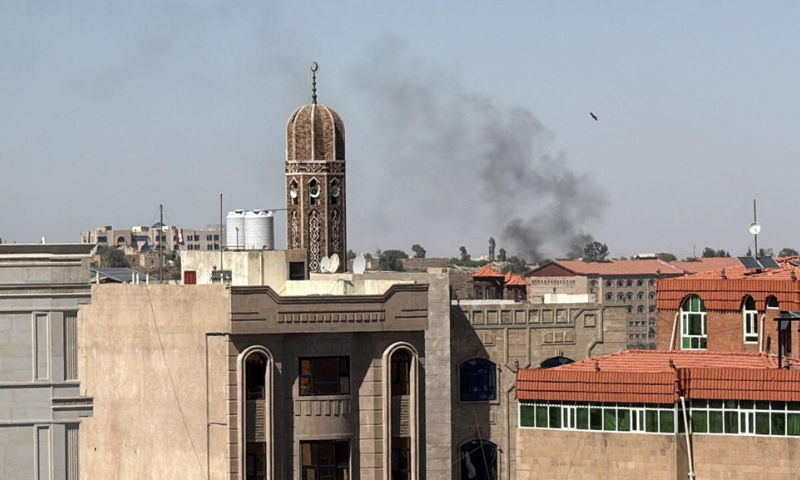
The coalition’s spokesperson had urged people to leave an oil facility belonging to the Yemen Petroleum Company on the western outskirts of Sanaa before the reported attack. An Agence France-Presse (AFP) correspondent in the city reported hearing an explosion.
Houthi-affiliated Al-Masirah TV subsequently reported that the facility in Al-Sabaha, west of Sanaa, had been targeted. The Saudi-led coalition had not confirmed the reported strike at the time of publication.
In response to the evacuation warning, the Houthis threatened to target Riyadh’s international airport, an oil refinery and an Aramco facility in Dammam if Saudi Arabia proceeded with the attack.
“The Yemeni Armed Forces urge all citizens to immediately evacuate and move away from targets that our forces will strike should the Saudi enemy target,” Houthi military spokesperson Yahya Saree wrote on X, identifying the three potential targets.
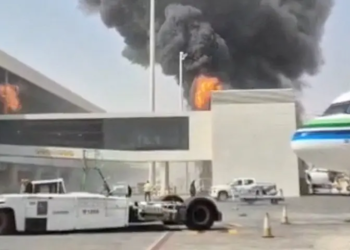
An attack on Riyadh’s airport on Saturday reportedly killed 13 people and disrupted operations, intensifying pressure on Saudi Arabia, the world’s leading crude oil exporter. The kingdom supports Yemen’s internationally recognised government in the conflict against the Houthis.
Following the coalition’s warning, many residents of Sanaa reportedly rushed to fuel stations amid fears of shortages.
The Yemen Petroleum Company sought to reassure the public, saying it had taken precautionary measures to deal with any emergency and ensure continued supplies. It said petroleum stocks were available at secure locations in sufficient quantities to meet demand for an extended period.
Saudi Arabia also faced further attacks on Tuesday, with the coalition saying its forces had intercepted three drones north of Riyadh.
Several countries have issued travel advisories for Saudi Arabia. France on Tuesday advised its citizens to avoid airports in Riyadh, Jeddah and Dammam.
The Saudi-led coalition has backed Yemen’s government militarily against the Houthis since 2015. The prolonged conflict has devastated the country and triggered a major humanitarian crisis.
Economic activity in Riyadh appeared subdued this week, with AFP journalists reporting lighter traffic following the introduction of remote learning for schools and work-from-home arrangements at some companies.
Saudi Arabia faces a potential economic contraction this year, with the International Monetary Fund forecasting a 3.3 per cent decline in gross domestic product (GDP) on Tuesday. The IMF also warned of a broader regional downturn linked to Iran’s blockade of the Strait of Hormuz.
The kingdom had already been facing economic pressure from disruptions to shipping through the strategically vital strait since the Middle East conflict began in February, when the United States and Israel attacked Iran.
The resumption of Yemen’s frozen conflict in July has further complicated the situation, bringing the fighting closer to Saudi territory. Houthi attacks have also targeted oil tankers in the Red Sea, an alternative route for Saudi oil exports.
Meanwhile, renewed fighting in Yemen has increased the risk of infectious disease outbreaks. The World Health Organisation said on Tuesday that suspected cholera cases had tripled in the country over three weeks, placing additional pressure on hospitals already treating people wounded in the conflict.
Explosions were heard over Riyadh late on Monday, with the Saudi-led coalition reporting the interception of a Houthi missile. The Houthi movement also said it had again targeted the Saudi capital’s airport.
Saudi Human Resources Minister Ahmad bin Sulaiman Al Rajhi struck a defiant tone at the Riyadh Economic Forum on Monday evening, telling attendees that the country would remain safe.
The airport attack prompted US President Donald Trump to say he was considering joining Saudi strikes against the Houthis, following reports that he had previously rejected Saudi requests for greater involvement.
The Houthis warned Washington against intervention. Mohammed Al Bukhaiti, a member of the movement’s political bureau, told AFP that the group would target American interests in the region if the United States became involved.
Bukhaiti said the campaign against Saudi targets was intended to signal to the kingdom’s crown prince that he could no longer conduct military operations against Yemen without facing consequences on Saudi territory.