
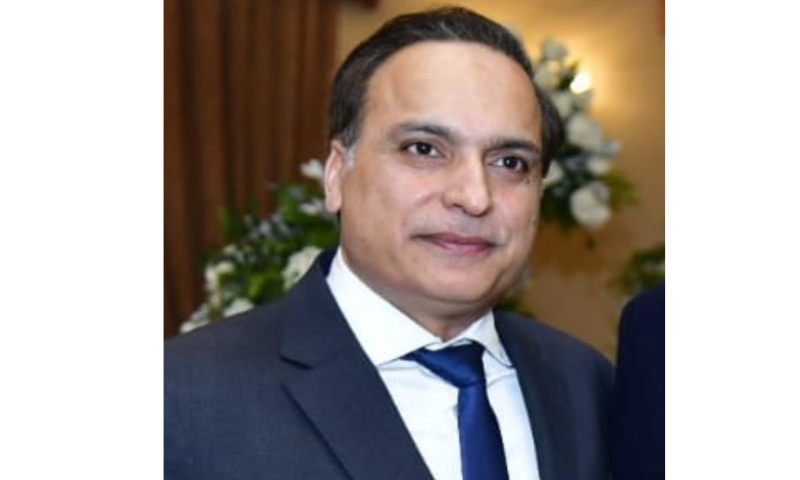
Islamabad, October 28,2026: Islamabad Chamber of Commerce and Industry (ICCI) President Mohammad Zikria Akbar Zia has proposed developing an Islamabad City Economic Competitiveness Index to assess the federal capital’s economic strengths, investment potential, infrastructure efficiency and business environment.
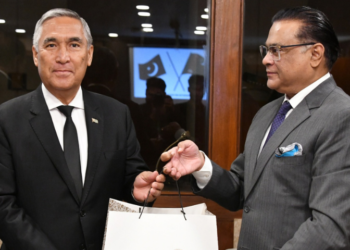
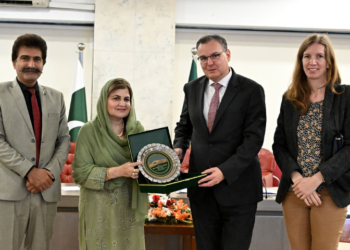
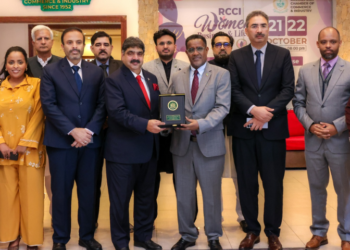
Speaking to visiting business delegations at the chamber on Wednesday, he said Islamabad needed to move beyond conventional urban development and adopt a modern, data-driven economic framework to strengthen its position as a competitive investment destination.
He said a city’s economic success should be measured not only by its physical infrastructure but also by its ability to attract productive investment, promote commercial and industrial activities, generate employment and facilitate sustainable business growth.
Zia proposed that the index assess key indicators, including ease of doing business, regulatory efficiency, investment facilitation, digital connectivity, transport and logistics, access to finance, skilled human resources and entrepreneurship.
He said the initiative could provide valuable guidance to policymakers and investors while helping Islamabad realise its untapped economic potential.
ICCI Senior Vice President Mohammad Ashfaq Hussain Chatha said the proposed index should serve as a practical tool for identifying major challenges and recommending measurable solutions.
He stressed the need for closer coordination among the Capital Development Authority (CDA), government departments, regulatory institutions and business stakeholders to facilitate investors and entrepreneurs in a timely manner.
ICCI Vice President Mohammad Waqas Khan Swati said Islamabad had considerable potential to emerge as a hub for technology-driven enterprises, professional services, startups and knowledge-based economic activities.
He emphasised that visiting foreign business delegations should receive reliable information about investment opportunities, potential joint ventures and suitable local business partners to promote commercial cooperation and technology transfer.
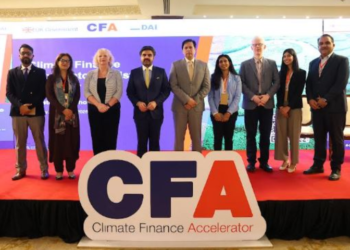
The visiting business leaders appreciated the importance of evidence-based economic planning and discussed opportunities to strengthen business-to-business engagement, investment facilitation and institutional cooperation.