Cairo/Gaza, July 3, 2025: As Israeli airstrikes claimed the lives of at least 59 more Palestinians on Thursday, Hamas said it is seeking firm guarantees that a proposed U.S.-backed ceasefire deal would lead to a permanent end to the war in Gaza.
A source close to Hamas told reporters that the group wants clear international assurances that the proposed 60-day truce will not simply pause the fighting, but pave the way for a full cessation of hostilities, now in their 21st month.
The ceasefire plan, reportedly accepted in principle by Israel, follows the recent U.S.-brokered truce between Israel and Iran, which ended a 12-day aerial conflict. U.S. President Donald Trump confirmed on Tuesday that Israel had agreed to the conditions of the proposed Gaza ceasefire, calling it a “long overdue breakthrough.”
Despite optimism, key elements of the proposal remain under discussion. Two Israeli officials acknowledged that the details — particularly Hamas’ demand for an end-of-war clause — are still being negotiated.
Egyptian and Qatari mediators are reportedly pushing for U.S. and broader international guarantees to reassure Hamas that further negotiations will move toward a permanent resolution. A separate diplomatic source said Israel expects a formal response from Hamas by Friday. If positive, an Israeli delegation would join indirect talks to finalize the deal.
The proposed agreement includes A 60-day ceasefire, the release of 10 living Israeli hostages, the return of 18 bodies of hostages and A prisoner swap involving Palestinians held in Israeli jails.
Of the approximately 50 hostages still believed to be in Gaza, Israeli intelligence estimates that 20 are alive.
A senior Israeli official close to Prime Minister Benjamin Netanyahu confirmed that preparations are underway to approve the deal, even as Netanyahu travels to Washington for a meeting with President Trump on Monday.
Israeli Energy Minister Eli Cohen, a member of the security cabinet, said there was “definite readiness to advance a deal.”
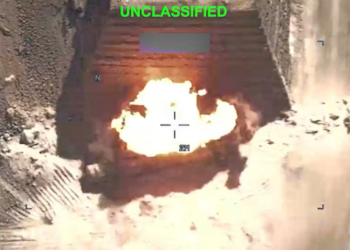
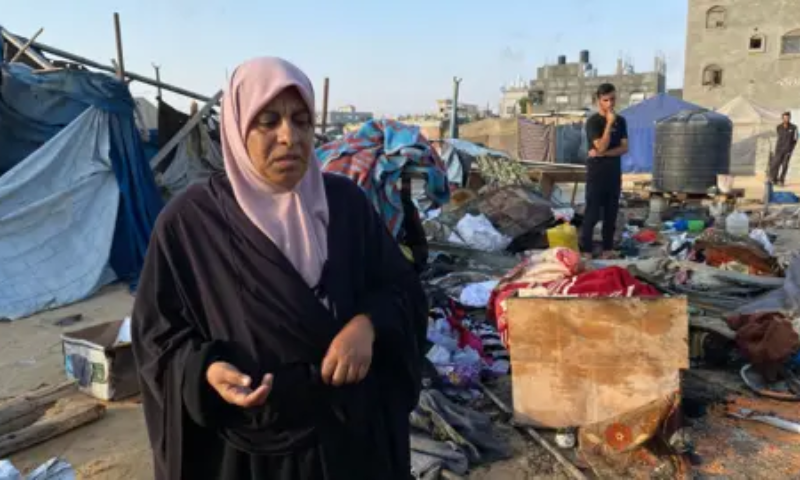
Despite the diplomatic efforts, conditions in Gaza remain dire. In southern Gaza, at least 20 civilians were killed near an aid distribution point, medics at Nasser Hospital reported. In Gaza City, an Israeli strike on a school sheltering displaced families killed at least 17 people. Israel claimed it was targeting a senior Hamas operative and said precautions were taken to avoid civilian casualties.
“Suddenly, we found the tent collapsing over us and a fire burning. We don’t know what happened,” said Wafaa Al-Arqan, a witness who survived the school bombing. “What can we do? Is it fair that all these children burned?”
The Gaza war began on October 7, 2023, when Hamas launched a surprise assault into southern Israel, killing 1,200 people and taking 251 hostages, according to Israeli figures.
Israel’s retaliatory campaign has devastated Gaza. The Gaza Health Ministry says over 57,000 Palestinians have been killed. More than 2 million residents — the majority of Gaza’s population — have been displaced, with many facing severe food shortages, collapsing infrastructure, and limited medical care.
Israel maintains it will not end the war until Hamas is dismantled and no longer governs Gaza. Hamas, though battered and weakened, insists it won’t disarm, but is open to releasing all remaining hostages if the war ends.
As diplomatic efforts intensify and the death toll rises, the possibility of peace — or at least a pause in hostilities — hangs in the balance, shaped by fragile talks and entrenched demands on both sides.