Washington, April 22, 2026: A second round of US-Iran negotiations could take place within the next 36 to 72 hours, according to media reports citing unnamed Pakistani sources and remarks attributed to US President Donald Trump.
The reports, published by the New York Post, suggest that Pakistan— which mediated the first round of talks—may again host or facilitate the next phase of dialogue in Pakistan.
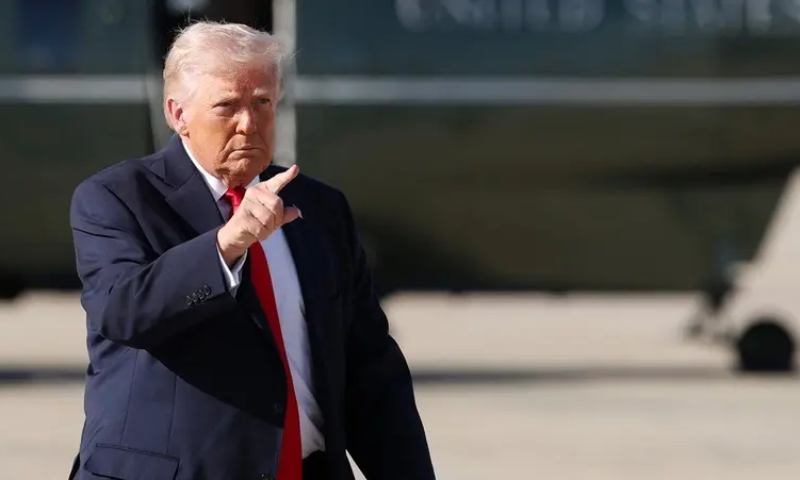
When asked about the possibility, Trump reportedly responded, “It’s possible!”, while acknowledging discussions circulating in diplomatic and media circles regarding an imminent follow-up round of negotiations in Islamabad.
A separate Pakistani digital outlet also reported a similar timeframe for renewed talks, though without citing official sources or additional details.
The reported developments come shortly after Trump extended a two-week ceasefire between the United States and Iran, just as the truce was nearing expiry. The extension was framed as an effort to allow more time for diplomatic engagement, amid ongoing uncertainty over Iran’s response to US demands.
The US has maintained its naval and economic pressure campaign, including restrictions on Iranian maritime trade, which Washington says is aimed at limiting Tehran’s oil revenues.
In a parallel escalation, Iran’s Islamic Revolutionary Guard Corps (IRGC) reportedly seized two vessels in the Strait of Hormuz on Wednesday, marking the first such action since heightened tensions and partial disruptions in the key shipping route.
The Strait of Hormuz remains one of the world’s most critical energy chokepoints, with nearly one-fifth of global oil and gas shipments passing through it. Iran has recently intensified enforcement actions in the area amid the broader standoff.
While reports indicate momentum toward a second round of talks, officials from Washington, Tehran, and Islamabad have not formally confirmed the timing or location of any new negotiations.
The situation remains fluid, with diplomatic efforts continuing alongside military posturing and maritime incidents, underscoring the fragility of the current ceasefire arrangement.
Analysts say the coming days will be critical in determining whether the process moves toward de-escalation or risks renewed confrontation.