Islamabad, July 7, 2025: In a landmark development, the Federal Board of Revenue (FBR) has launched Pakistan’s first-ever Artificial Intelligence-based Customs Clearance and Risk Management System (RMS) under the directives of Prime Minister Muhammad Shehbaz Sharif. This initiative marks a major step forward in automating and modernizing Pakistan’s trade and taxation infrastructure.
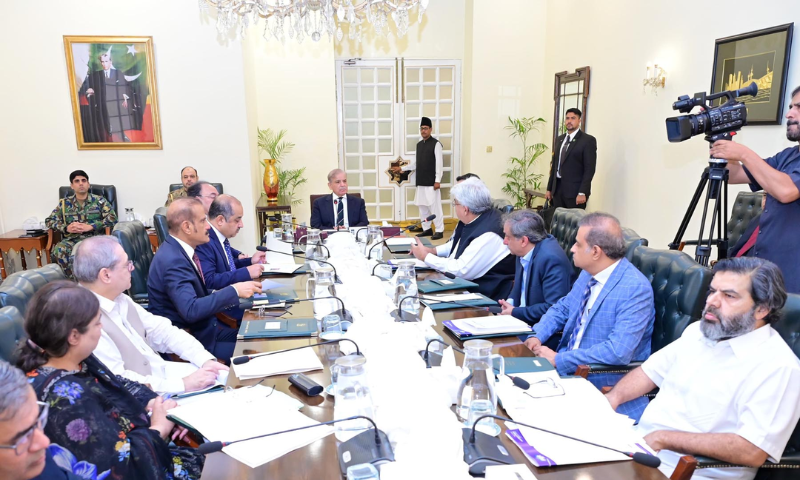
The announcement was made during a high-level meeting chaired by the Prime Minister to review ongoing reform efforts within the FBR. Officials briefed the meeting on the transformative capabilities of the new AI-driven system, which will utilize machine learning, BOTs, and automation to assess the value and classification of imported and exported goods.
According to the briefing, the system is designed to continuously evolve using advanced data analytics and real-time learning algorithms. It will significantly minimize human intervention, enhance transparency, and expedite customs processes—bringing relief to both officials and the business community.
“In initial testing, the system demonstrated over 92% improvement in overall performance,” officials told the meeting.
“Goods Declarations (GD) for tax assessment increased by 83%, and goods cleared through the green channel surged 2.5 times compared to the previous system.”
The automation will not only improve risk profiling and customs clearance speed but will also reduce the workload on customs personnel, improve efficiency, and combat corruption through minimal human involvement.
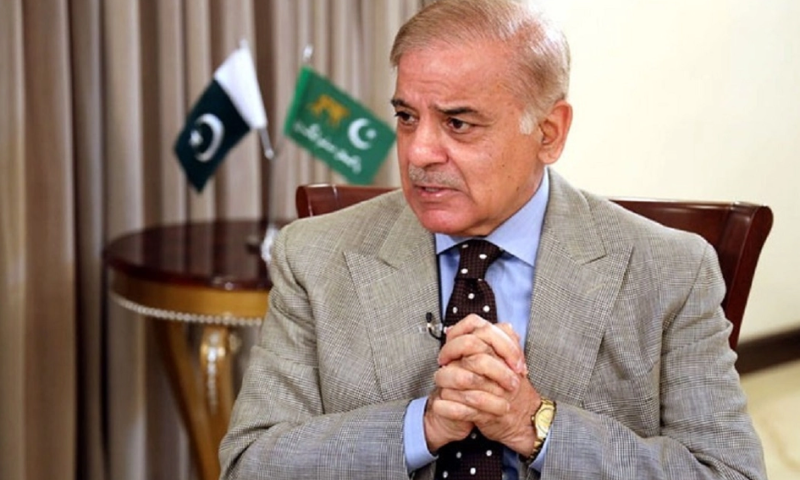
Prime Minister Shehbaz Sharif lauded the initiative, emphasizing that FBR reforms remain a key priority for his government.
“By automating the tax and customs systems, we are making them more transparent, efficient, and business-friendly,” he said.
“Technology-based solutions like this will save both time and money, promote ease of doing business, and simplify processes for taxpayers.”
He directed authorities to ensure that the system remains integrated, scalable, and sustainable over time, and commended the efforts of FBR officials and technical teams involved in its development.
The meeting also reviewed new video analytics-based measures aimed at enhancing tax collection from the manufacturing sector. Officials reported that this AI-enabled monitoring system will allow for real-time and transparent tracking of production, reducing tax evasion and increasing government revenues.
The new system is not only cost-effective but also demonstrated 98% operational efficiency in its pilot phase. It is expected to facilitate hassle-free tax compliance by eliminating the need for physical inspections or manual assessments.
The meeting was attended by Finance Minister Muhammad Aurangzeb, Information Minister Attaullah Tarar, FBR Chairman, and other senior government officials.