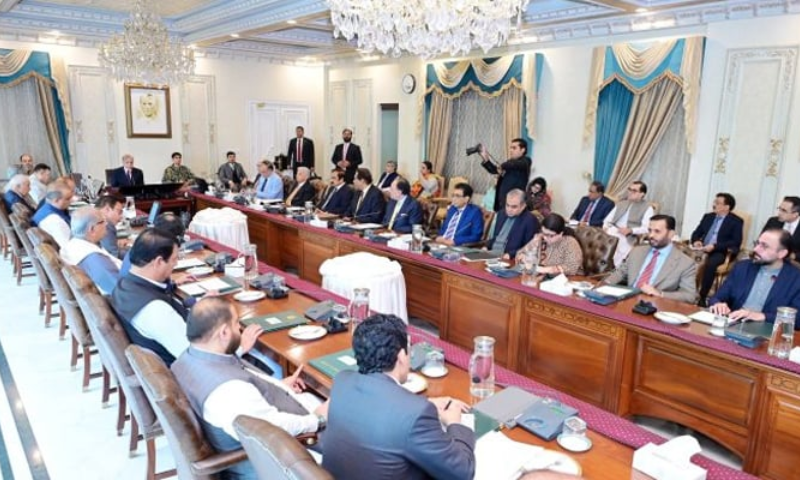
Islamabad, July 16, 2025: The federal cabinet on Wednesday approved a 15% increase in pensions provided by the Employees’ Old-Age Benefits Institution (EOBI), effective from January 1, 2025. The decision, based on the recommendation of the Ministry of Overseas Pakistanis and Human Resource Development, will be financed through EOBI’s own resources.
The meeting, chaired by Prime Minister Shehbaz Sharif, also focused on broader institutional reforms. The prime minister directed the formation of a cabinet committee to propose structural improvements within EOBI. The committee will further examine ways to extend old-age benefits to the informal labour sector, including domestic workers, agricultural labourers, and other marginalised groups who have historically been excluded from formal social protection systems. The government aims to ensure that workers in these underserved sectors are afforded their due rights and retirement security.
In addition to pension reforms, the cabinet also approved the initiation of legal procedures for the draft Sea Carriage Shipping Documents Bill, 2025, on the recommendation of the Ministry of Maritime Affairs. The proposed legislation is intended to modernise and streamline documentation procedures in maritime trade.
Another significant decision came on the healthcare front. Acting on the recommendation of the Ministry of National Health Services, the cabinet granted a five-year extension on the exemption of import duties and taxes for essential life-saving medicines, including anti-cancer and cardiac drugs. These medicines, deemed vital for critical care, will only be available through licensed hospitals and authorised healthcare institutions. Their sale in the open market will remain prohibited, and all imports will require prior approval from the relevant licensing authorities.
The cabinet also formally endorsed the decisions made in the meetings of the Cabinet Committee on Legislative Cases held on July 2 and July 3, 2025.
These decisions reflect the government’s continued focus on expanding social safety nets, enhancing access to essential healthcare, and pushing forward with legislative and institutional reforms across key sectors.