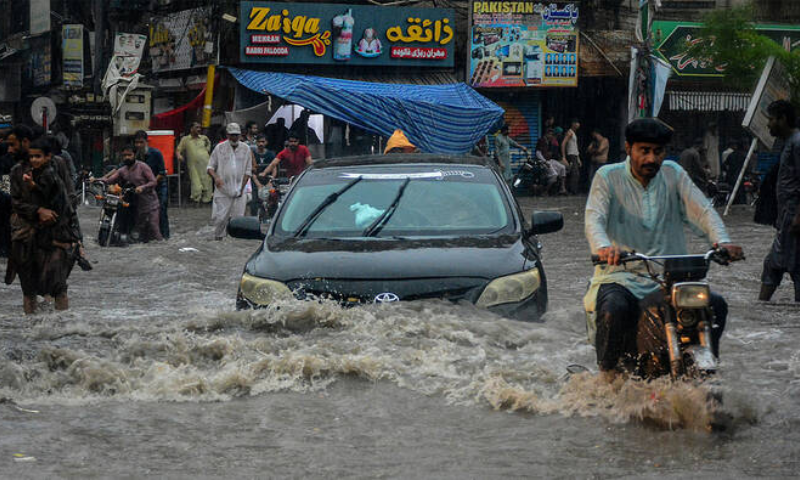
Lahore, July 16, 2025: At least 28 people lost their lives in Punjab province on Wednesday as relentless monsoon rains triggered roof collapses and widespread destruction, with authorities warning of more severe weather ahead.
According to Farooq Ahmad, spokesperson for the provincial rescue department, most of the fatalities occurred in rural areas where weakened or mud-constructed homes were unable to withstand the downpour. He confirmed that approximately 90 others were injured in various incidents across the province.
Punjab, Pakistan’s largest and most populous province, is home to millions of people who depend on agriculture and live in villages with inadequate infrastructure. While the monsoon rains are generally seen as vital for crops, they also pose serious risks to those living in vulnerable housing.
With Wednesday’s casualties, the nationwide death toll from this year’s monsoon season has now surpassed 150, while over 300 people have been injured since the rains began on June 26. Weeks of erratic and intense downpours have already wreaked havoc across several regions, overwhelming local authorities and disaster management agencies.
The Pakistan Meteorological Department has forecast more heavy rainfall in July and August, raising concerns over rising river levels, flash floods, and the possibility of widespread urban and rural inundations.
Pakistan, a country of over 240 million people, ranks among the most climate-vulnerable nations in the world, according to the United Nations. Climate-induced disasters—ranging from floods and droughts to extreme heat—claim hundreds of lives annually and devastate entire communities.
The latest disaster revives grim memories of the catastrophic floods of 2022, which killed more than 2,000 people, submerged a third of the country, and inflicted an estimated $40 billion in economic damages. Despite global pledges for climate finance and resilience support, Pakistan continues to struggle with infrastructure challenges and limited resources to effectively respond to such disasters.
Authorities have urged residents, especially in low-lying and flood-prone areas, to remain vigilant and follow safety guidelines as the monsoon system continues to intensify across the region.