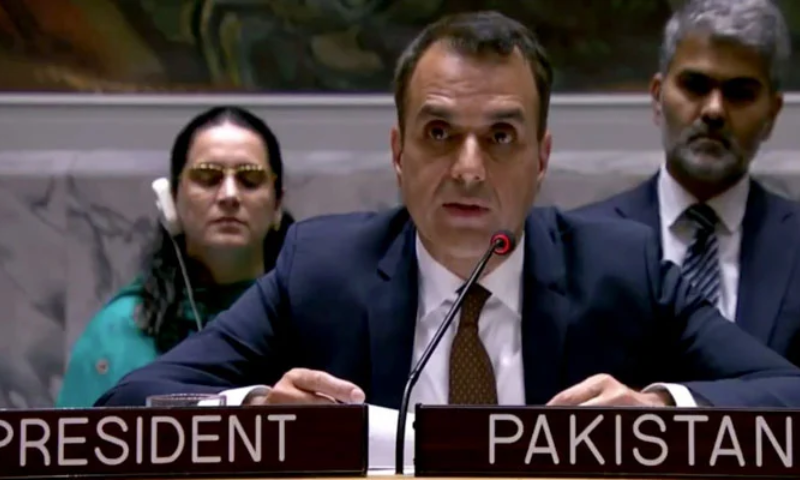
New York, July 23, 2025: Pakistan strongly rejected Indian allegations of cross-border terrorism during a UN Security Council (UNSC) debate on Wednesday, urging New Delhi to reflect on its own actions rather than resorting to blame.
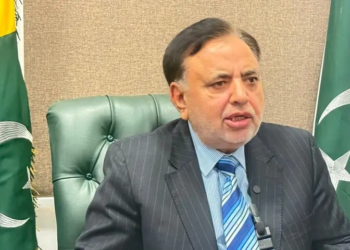
Speaking at the high-level session on “Promoting International Peace and Security through Multilateralism and Peaceful Settlement of Disputes,” Pakistan’s Deputy Permanent Representative to the UN, Ambassador Usman Jadoon, condemned the Indian narrative as “tired” and “misleading.” He asserted that it was India that has been actively “sponsoring, aiding, and abetting terrorism” in Pakistan and beyond.
“It is regrettable that the Indian envoy chose to attack Pakistan on a day when the Council reaffirmed the core principles of the UN Charter—peaceful resolution of disputes and adherence to international law,” Ambassador Jadoon said, responding to Indian Ambassador Parvathaneni Harish’s earlier remarks.
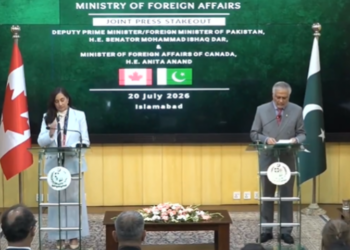
The Indian diplomat’s comments were reportedly in reaction to Pakistan’s Deputy Prime Minister and Foreign Minister Ishaq Dar, who earlier emphasized the need to resolve the Kashmir dispute while speaking in his national capacity following the adoption of a Pakistan-sponsored resolution promoting peaceful settlement of international conflicts.
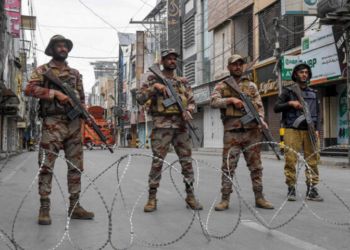
Ambassador Jadoon reiterated that India remains in “illegal occupation” of Jammu and Kashmir and has consistently defied UN Security Council resolutions calling for a plebiscite to determine the region’s future.
“India’s egregious human rights violations—both in occupied Kashmir and within its own borders—have been documented by reputable international rights organizations,” he added.
He also accused India of attempting to suspend the 1960 Indus Waters Treaty, with the explicit aim of denying Pakistan its rightful share of water, calling it a blatant violation of international law.
Ambassador Jadoon further alleged that between May 7–10, India launched acts of aggression targeting Pakistani civilians, prompting a “measured and effective” response from Pakistan in self-defense. He claimed the retaliation resulted in the downing of six Indian aircraft.
“The hostilities ceased due to Pakistan’s position of strength and responsible approach, along with U.S. diplomatic facilitation,” he told the Council.
Commenting on India’s stance at the UN, Jadoon said, “It is ironic that India, which itself brought the Kashmir dispute to the Security Council, now refuses to implement its resolutions to resolve the issue.”
Reacting sharply to Pakistan’s active diplomacy, the Indian envoy had claimed that Pakistan was “steeped in fanaticism and terrorism, and a serial borrower from the IMF.”
The debate will resume on July 24 to accommodate remaining speakers.
Earlier, the UN Security Council unanimously adopted a Pakistan-sponsored resolution urging member states to effectively implement UNSC decisions for the peaceful resolution of disputes, including those involving Kashmir and Palestine.
The resolution was presented under the Council’s agenda item “Maintenance of International Peace and Security” — one of two signature initiatives proposed by Pakistan during its presidency of the Council this month.
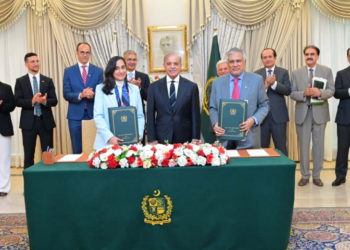
Deputy Prime Minister Ishaq Dar, who flew to New York to chair the meeting, presided over the adoption of the resolution and commended member states for their support.
UN Secretary-General António Guterres, in his opening remarks, praised Pakistan’s leadership and said: “This initiative is timely and necessary. Reinforcing peaceful dispute resolution mechanisms is needed now more than ever.”