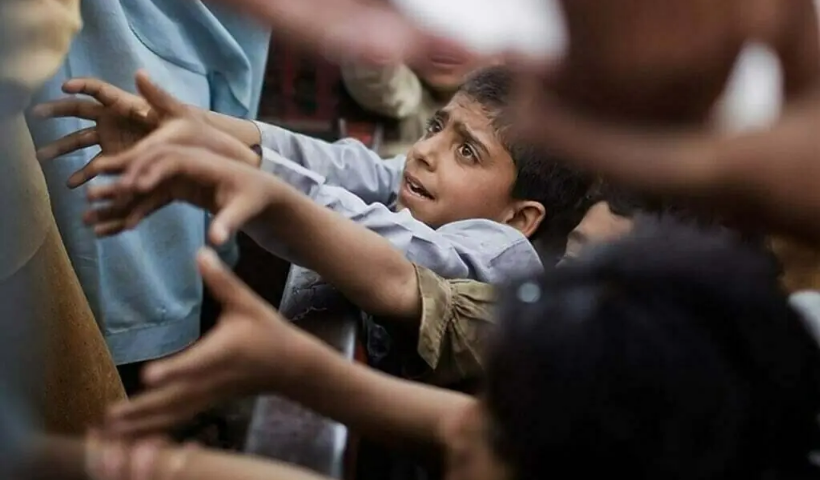
Islamabad, September 23, 2025: Poverty in Pakistan has reached an alarming level, with the World Bank reporting that nearly one in four citizens is now living below the poverty line. According to the latest assessment released by World Bank Country Director for Pakistan Bolormaa Amgaabazar, the national poverty rate rose to 25.3% in 2024–25, a 7% increase over the past three years.
The report shows a sharp reversal of earlier progress in poverty reduction:
- 2022: 18.3%
- 2023: 24.8%
- 2024: 25.3%
While Pakistan steadily reduced poverty from 2001 to 2015 at a pace of 3% annually, and at 1% annually from 2015 to 2018, gains began to reverse following the COVID-19 pandemic and worsened significantly after 2022.
The World Bank further noted the absence of updated household surveys since 2018–19, which has left major gaps in official poverty reporting.
The analysis underscores the structural weaknesses in Pakistan’s labor market and income distribution:
- 57% of past poverty reduction came from non-agricultural sources, such as remittances and services.
- 18% stemmed from agriculture.
- Overall, household incomes grew just 2–3% annually between 2011 and 2021.
However, the overwhelming majority of Pakistan’s workforce remains vulnerable, with 95% employed in the informal sector and 85% in low-income jobs, leaving millions exposed to shocks.
The report also highlighted stark contrasts in urbanization figures. While the World Bank estimates that 60–80% of Pakistan’s population lives in urban areas, government statistics place the figure at only 39%.
This discrepancy, it said, is crucial to understanding poverty trends, as urban and rural communities face different challenges and opportunities.
The findings suggest that poverty reduction gains achieved over nearly two decades are at risk of being undone, unless structural reforms, formal job creation, and accurate data collection are prioritized.