Occupied Jerusalem, September 30, 2025: US President Donald Trump has given Hamas “three or four days” to respond to his Gaza peace proposal, warning of “severe consequences” if the Palestinian group rejects the plan, which has been formally backed by Israel.
The proposal, unveiled at the White House on Monday after Trump’s meeting with Israeli Prime Minister Benjamin Netanyahu, calls for a ceasefire, the release of hostages within 72 hours, Hamas’s full disarmament, and a phased Israeli withdrawal from Gaza. It also envisions a transitional authority headed by Trump himself, with the involvement of former British Prime Minister Tony Blair, and the deployment of a temporary international stabilization force.
While world powers — including Arab and Muslim states, as well as European allies, China, and Russia — welcomed the initiative, Hamas has yet to respond. A Palestinian source confirmed the group’s political and military leadership was holding consultations “inside Palestine and abroad,” with Qatar and Turkey expected to host further discussions.
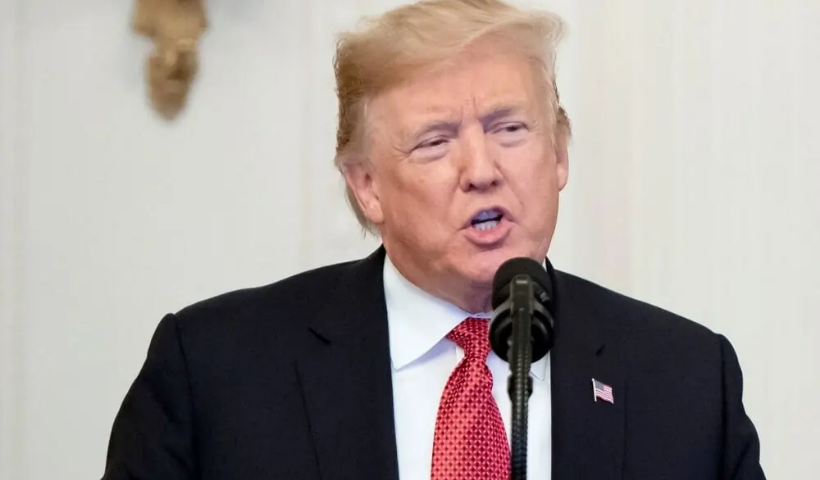
Trump, speaking at a military base in Quantico, Virginia, said: “We have one signature that we need, and that signature will pay in hell if they don’t sign.”
Reactions remained divided. UN Secretary-General António Guterres urged all parties to commit to the plan and reiterated his call for a permanent ceasefire. Key Arab mediators, including Egypt and Qatar, praised the “sincere efforts,” while the Palestinian Authority described the proposal as a step toward peace.
But skepticism was strong on the ground in Gaza, where residents described the plan as “unrealistic” and impossible for Hamas to accept. Islamic Jihad, a Hamas ally, denounced the move as an attempt by Israel and the US to impose through diplomacy what they failed to achieve militarily.
Meanwhile, Israeli airstrikes and ground operations continued across Gaza, with the enclave’s health ministry reporting more than 66,000 Palestinians killed since the conflict began nearly two years ago — figures the UN has deemed credible.
Netanyahu, though supportive of Trump’s proposal, insisted Israel’s military would remain in “most of Gaza” and reiterated his opposition to Palestinian statehood. Members of his far-right coalition blasted the plan as a “diplomatic failure” that would eventually “end in tears.”