Peshawar, October 9, 2025: Political activity has intensified across Khyber Pakhtunkhwa following the sudden resignation of Chief Minister Ali Amin Gandapur, triggering a race among political parties to install a new provincial chief executive.
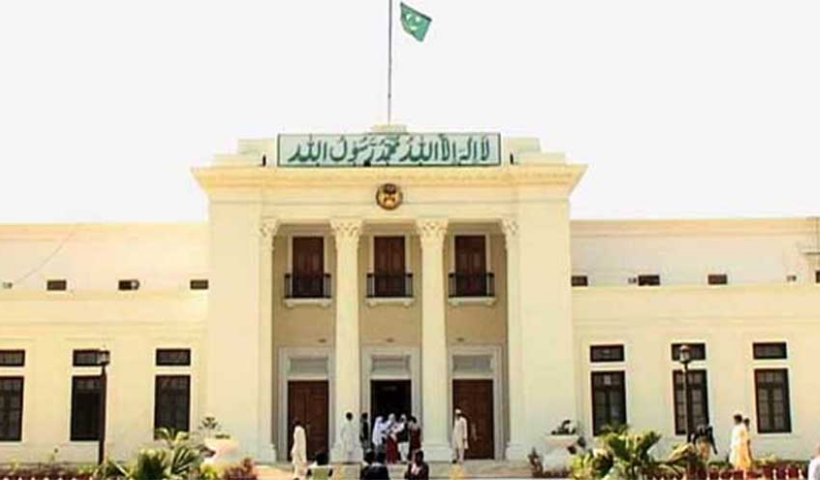
Governor Faisal Karim Kundi has formally received Gandapur’s resignation and is expected to summon a session of the provincial assembly to initiate the process of electing a new chief minister. The move has set off intense lobbying, with both the Pakistan Tehreek-e-Insaf (PTI) and the opposition bloc maneuvering to secure the required numbers.
The PTI has nominated Suhail Afridi as its candidate for chief minister. While the decision appeared straightforward at first, it has quickly revealed internal fractures within the party.
The Khyber Pakhtunkhwa Assembly comprises 124 members, and a simple majority of 73 votes is required to elect the new chief minister. PTI commands 92 seats on paper, but 35 of these lawmakers are classified as independents, meaning they are not legally bound to follow the party line under current electoral rules.
Reports suggest that 22 members have submitted separate affidavits expressing dissent or seeking autonomy in decision-making — a development that could complicate PTI’s efforts to retain control of the provincial government.
Meanwhile, the opposition, led by Leader of the Opposition Dr Ibadullah, senses an opening. The opposition alliance collectively holds 53 seats, and if it can win over just 20 independents or dissident PTI members, it could flip the balance of power.
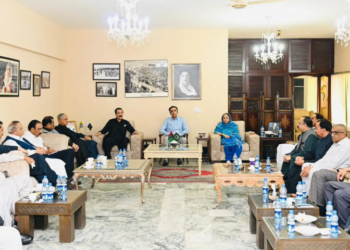
Dr Ibadullah chaired an emergency meeting late Wednesday night to finalize a consensus candidate for the chief minister’s slot. Opposition sources say backchannel contacts with independents and smaller parties are already underway, with the aim of forming a “broad-based coalition” to challenge PTI’s nominee.
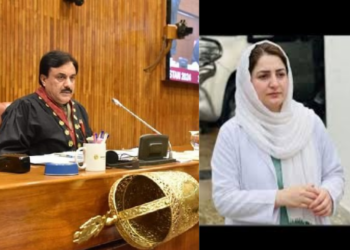
PTI’s nominee Suhail Afridi has begun an aggressive round of political outreach over the past 24 hours, holding meetings with Speaker Babar Saleem, cabinet colleagues, and senior members of the provincial assembly.
The party’s central leadership has instructed all members to ensure unity and avoid “any vote split or deviation” during the upcoming assembly session. However, insiders admit that reconciling internal factions and managing independent members remains a daunting task.
At the same time, the opposition has intensified its efforts to court independents, offering political assurances and potential cabinet positions in exchange for support. Political observers say the loyalties of these independents could prove decisive in determining the province’s next chief minister.
Analysts believe PTI faces an uphill battle to keep its government intact. “The numbers are tight, and with so many independents in play, the outcome is far from certain,” a senior political observer in Peshawar noted.
The election of the next chief minister — expected to take place in the coming days — will not only decide the immediate future of Khyber Pakhtunkhwa’s government but could also have wider implications for national politics, testing PTI’s internal cohesion and its ability to retain control in a politically volatile province.