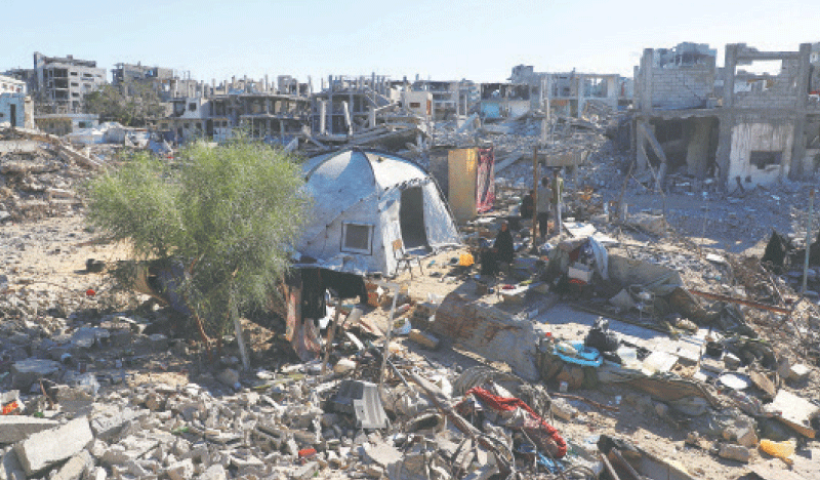
Ramallah/Cairo, October 17, 2025: Palestinian Authority Prime Minister Mohammad Mustafa presented a five-year, three-phase reconstruction plan for Gaza that would require about $65–67 billion and aims to restore housing, education, governance and other key sectors — even as uncertainties remain over who will govern the enclave after the war.
Speaking to Palestinian ministers, UN agency heads and diplomatic delegations in Ramallah, Mustafa said the plan builds on agreements reached at an Arab summit in Cairo in March and includes police-training programmes with Egypt and Jordan already under way. He said technical talks were ongoing with the European Union on secure crossings, customs systems and integrated policing units — part of broader efforts to re-establish a single Palestinian government linking Gaza and the West Bank.
“Gaza shall be rebuilt as an open, connected and thriving part of the State of Palestine,” Mustafa told the assembly, adding he hoped the PA could be “fully operational in Gaza” within 12 months — a timeline that many analysts say will depend on political progress and security on the ground.
The announcement comes amid a fragile US-brokered ceasefire and lingering disputes over implementation. Israel and Hamas have accused each other of violating the truce; Hamas says it has handed over only the bodies it could recover from rubble, while Israeli officials and mediators press for the return of all hostage remains. The dispute over bodies — and reports of shootings and killings since the truce — threatens to derail aspects of the deal, including disarmament and post-war governance arrangements.
Hamas has said recovery of many remains will require heavy machinery and excavation in areas devastated by fighting. Turkish authorities have deployed disaster-response experts to assist searches, while mediators continue to press both sides to comply with the agreement.
US President Donald Trump issued a stark warning this week, saying on social media that “if Hamas continues to kill people in Gaza … we will have no choice but to go in and kill them,” comments that underscored international impatience with continued violence and raised fresh concerns about escalation. Washington later signalled it would not deploy US combat forces into Gaza even as it pressed for compliance with the ceasefire.
Humanitarian and reconstruction experts have stressed that any large-scale rebuilding effort will hinge on secure, sustained access for aid and materials, reliable funding pledges from international donors, and a workable governance arrangement acceptable to Gaza’s population. Mustafa’s plan envisions phased spending — a short emergency phase followed by multi-year reconstruction and long-term recovery — but details on donor commitments and implementation mechanisms remain to be finalised.
Mustafa said the reconstruction strategy is intended to “reinforce political and territorial unity between Gaza and the West Bank” and to restore what he called a “credible governance framework for the state of Palestine.” Observers say achieving that aim will require not only money and logistics but also political compromises among Palestinian factions and between regional and global stakeholders.
With ceasefire compliance still disputed and the humanitarian situation in Gaza acute, the international community faces an urgent test: translate pledges and plans into sustained action while preventing a return to full-scale hostilities that would further devastate the enclave.