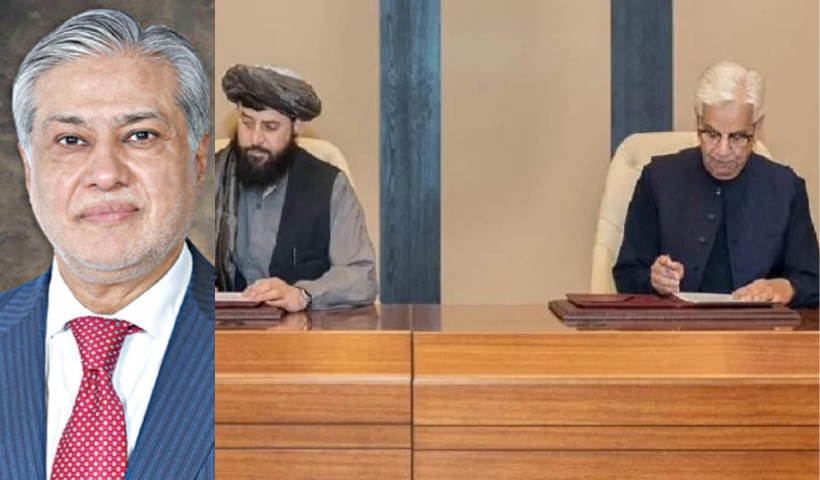
Doha/Islamabad/Kabul, October 19, 2025: Deputy Prime Minister and Foreign Minister Ishaq Dar on Sunday welcomed the ceasefire agreement signed between Pakistan and Afghanistan, saying it effectively ends days of hostilities triggered by recent border clashes.
“Welcome the agreement finalised late last night in Doha. It is the first step in the right direction,” DPM Dar wrote on X as he reacted to the truce reached during talks in Qatar’s capital. He urged the swift creation of a concrete and verifiable monitoring mechanism, to be discussed at the next meeting to be hosted by Turkiye, and called for all efforts to prevent further loss of life.
Dar thanked Qatar and Turkiye for their constructive roles in mediating the talks, and said Islamabad looks forward to mechanisms that will address “the menace of terrorism emanating from Afghan soil towards Pakistan.”
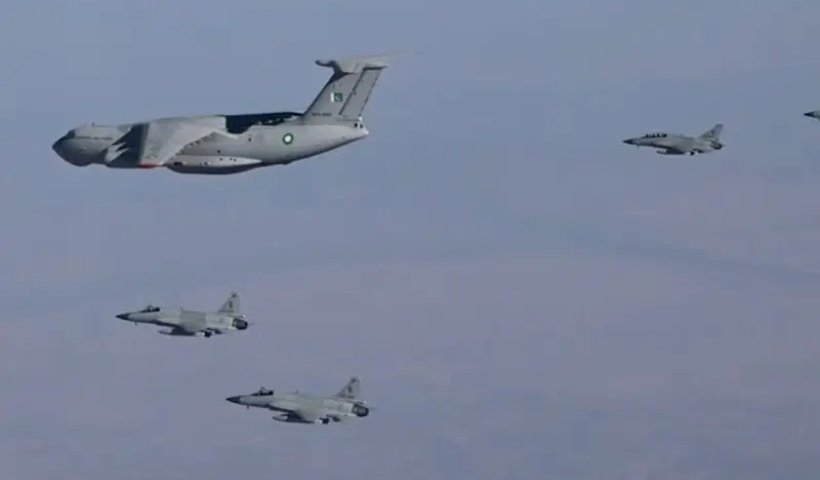
The Doha talks — mediated by Qatar and Turkiye — followed days of intense cross-border exchanges after an unprovoked attack by Afghan Taliban forces and Tehreek-e-Taliban Pakistan (TTP) militants. Pakistan responded with airstrikes and ground operations that officials say resulted in the elimination of more than 200 Taliban and affiliated militants.
A temporary truce agreed earlier in the week had paused fierce fighting that left dozens dead and hundreds wounded. Defence Minister Khawaja Asif, who led Pakistan’s delegation in Doha, confirmed the ceasefire late on Sunday and said the two sides will reconvene in Istanbul on October 25. He added both countries had agreed to respect each other’s territorial sovereignty and pledged that terrorism originating from Afghan soil would stop immediately.
Turkiye’s embassy in Islamabad welcomed the truce announcement and vowed to “continue to support the efforts for achieving lasting peace and stability between the two brotherly countries and in the region.”
Sources said Pakistan’s negotiating team included senior security officials, while the Afghan delegation — led by Defence Minister Mullah Yaqoob — included the Afghan intelligence chief. Pakistani officials pressed the Afghan side that the presence of militant groups on Afghan territory was “unacceptable.”
Information Minister Attaullah Tarar said Pakistan had also carried out “precision strikes” on verified camps of the proscribed Gul Bahadur group in North and South Waziristan, asserting that 60–70 militants and their leadership were killed based on confirmed intelligence. He added that security forces had foiled multiple attempts by militants operating from Afghanistan, eliminating more than 100 fighters linked to the TTP, also referred to by officials as Fitna al-Khawarij.
The clashes have heightened concerns across the border provinces of Khyber Pakhtunkhwa and Balochistan. Since the Taliban’s return to power in 2021, Islamabad has repeatedly accused Kabul of failing to prevent its territory from being used as a base for attacks in Pakistan.
On Friday, Chief of Army Staff Field Marshal (COAS) — addressing a passing-out parade at the Pakistan Military Academy in Kakul — urged Afghan leaders “to choose mutual peace and security over violence” and called on the Taliban government to act decisively against militant proxies. “Every state proxy of our neighbour will be raised to dust,” he warned, underscoring the military’s resolve to protect Pakistan’s sovereignty.
Analysts say the durability of the Doha agreement will depend on rapid establishment of the promised monitoring mechanism and on both sides’ capacity and willingness to act against militant groups operating from their territory.