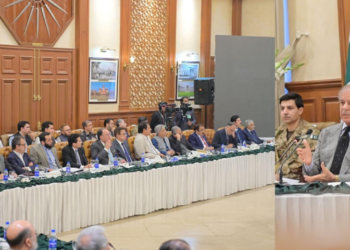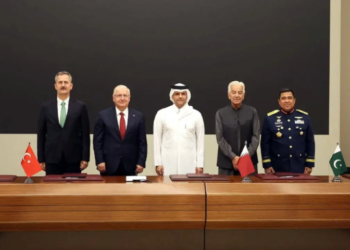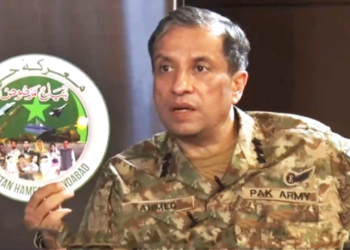
Istanbul, October 25, 2025: The second round of high-level talks between Pakistan and Afghanistan began in Istanbul on Saturday, as Islamabad seeks to establish a verifiable mechanism to curb cross-border terrorism originating from Afghan soil, official sources said.
The Istanbul dialogue follows the first round of Pakistan-Afghanistan talks, mediated by Qatar and Turkiye, held in Doha on October 19, where both sides agreed to a ceasefire, though border trade remains suspended.
According to diplomatic sources, the Afghan delegation is being led by Deputy Interior Minister Rahmatullah Mujib.
During his weekly press briefing on Friday, Foreign Office Spokesperson Tahir Hussain Andrabi said Pakistan hopes the Istanbul talks will lead to the creation of a “concrete and verifiable monitoring mechanism” to address terrorism threats emanating from Afghanistan.
“As a responsible state committed to regional peace and stability, Pakistan does not seek escalation but urges the Afghan Taliban authorities to honour their international commitments and take verifiable action against terrorist entities, including the FAK/TTP and FAH/BLA,” Andrabi stated.
He termed the Doha round a “first step” towards ensuring peace and stability in the region, noting that the discussions there focused on halting cross-border attacks and restoring calm along the Pakistan-Afghanistan border.
Responding to a query, the spokesperson said there had been no major terrorist attack from Afghan soil in the past several days, calling it a “positive outcome” of the Doha talks.
However, he confirmed that border crossings would remain closed due to ongoing security concerns. “Saving the lives of ordinary Pakistanis is more important than trade or the movement of goods,” Andrabi added.
‘All-Out War if Talks Fail’
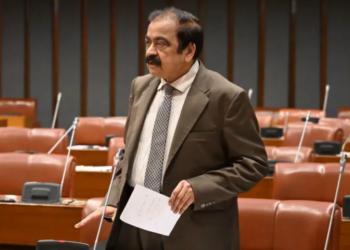
Defence Minister Khawaja Asif, who led Pakistan’s delegation in the first round of talks, cautioned on Saturday that failure of the ongoing negotiations could lead to “all-out war” with the Afghan Taliban regime.
Speaking to reporters in Sialkot, Asif said he remained hopeful about the outcome of the talks, adding that “the result of the negotiations should be known by tomorrow, if not today.”
He noted that no border hostilities had been reported over the past few days, with “around 80% of the points agreed upon in the Doha round already being implemented.”
The minister also accused India of waging a “proxy war” against Pakistan through Afghan soil. “The Afghans are acting against us as a proxy of India,” he claimed.
Asif expressed optimism that both nations would reach an understanding to ensure lasting peace in the region. Reflecting on the Doha meetings, he said, “I felt a genuine desire for peace during the negotiations.”
Nonetheless, he lamented that Afghanistan continued to support militants operating against Pakistan, despite Pakistan’s decades-long hospitality to millions of Afghan refugees.
Border crossings between the two neighbours have remained sealed since October 11, following deadly clashes earlier this month that left dozens dead on both sides — the worst fighting since the Taliban’s takeover of Kabul in 2021.
The clashes erupted after Islamabad demanded that Kabul rein in militant groups allegedly operating from Afghan territory. The ceasefire brokered by Qatar and Turkiye last weekend continues to hold, though cross-border trade remains suspended.