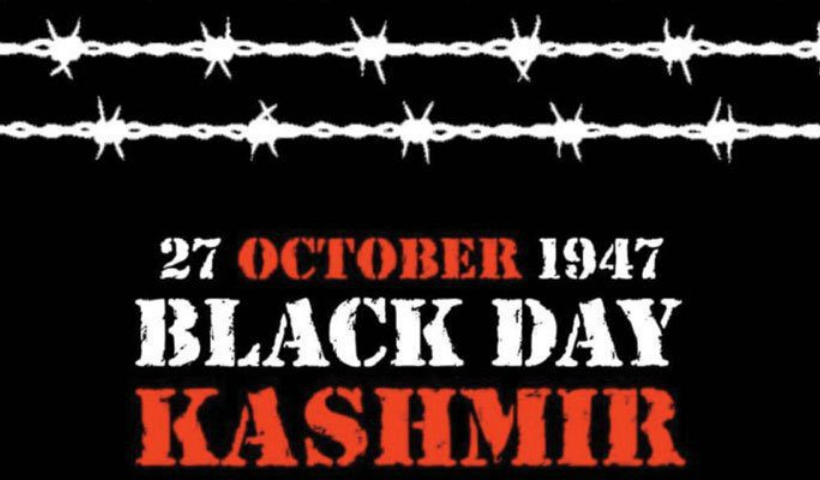
Islamabad, October 27, 2025: Pakistan on Monday observed Kashmir Black Day across the country and at its diplomatic missions worldwide to mark seventy-eight years of India’s “illegal occupation” of Jammu and Kashmir and to reaffirm Islamabad’s unwavering commitment to the just cause of the Kashmiri people.
In a statement, the Foreign Office said the day served as “a solemn reminder of the grave injustices endured by the people of Indian Illegally Occupied Jammu and Kashmir (IIOJK) for more than seven decades” and as an expression of solidarity with their “legitimate struggle for the right to self-determination,” as enshrined in UN Security Council (UNSC) resolutions.
“The observance of 27 October as Black Day marks India’s unlawful assault on Jammu and Kashmir and pays tribute to the resilience of the Kashmiri people who, despite decades of oppression, remain steadfast in their struggle,” the statement added.
A wide range of events — including seminars, panel discussions, photo exhibitions, and rallies — were held across Pakistan and at embassies and consulates abroad to highlight the continuing plight of Kashmiris and draw global attention to alleged human rights abuses by Indian forces in the occupied territory.
In their special messages, the President, Prime Minister, and Deputy Prime Minister/Foreign Minister reiterated Pakistan’s moral, diplomatic, and political support for the Kashmiri people. They also urged the international community to pressure India to end its “illegal occupation,” halt human rights violations, and cease all repressive measures in IIOJK.
The Deputy Prime Minister and Foreign Minister Ishaq Dar also sent letters to the UN General Assembly President, the UN Security Council President, the UN Secretary-General, the UN High Commissioner for Human Rights, and the OIC Secretary-General, apprising them of the “grave human rights situation” in the occupied territory.
Dar warned that India’s persistent defiance of international law and UNSC resolutions, combined with its leadership’s “increasingly hostile rhetoric,” posed a serious threat to regional peace and stability.
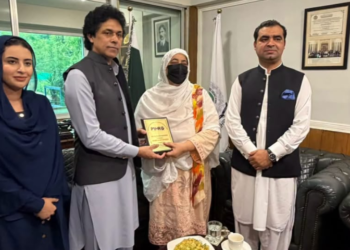
At the Ministry of Foreign Affairs (MoFA), a Kashmir Solidarity Walk was organized, with officers and officials participating to express unity with the Kashmiri people. MoFA also held a special briefing for foreign diplomats, which included the screening of a short documentary depicting the alleged atrocities in IIOJK.
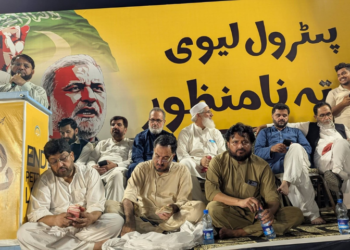
In a separate show of solidarity, a large Kashmir Black Day rally was taken out from the Foreign Office to D-Chowk, echoing with slogans calling for freedom and justice for Kashmiris.
The rally was led by Federal Minister for Kashmir Affairs, Gilgit-Baltistan & SAFRON Engr. Amir Muqam, alongside Chairman Kashmir Committee Rana Qasim Noon, APHC leader Muhammad Farooq Rehmani, Pakistan Sweet Home Patron-in-Chief Zamurad Khan, MNA Anjum Aqeel, Secretary Kashmir Affairs Zafar Hasan, and Foreign Secretary Amna Baloch, among others.
Participants carried placards and banners condemning Indian atrocities and reaffirming unwavering support for Kashmir’s right to self-determination.
Addressing the participants at D-Chowk, Minister Amir Muqam said October 27 remains “a dark chapter in history” marking the forcible occupation of Jammu and Kashmir by Indian forces in 1947.
“For seventy-seven years, Kashmiris have endured grave human rights violations, yet their spirit for freedom and their love for Pakistan remain unbroken,” he said, emphasizing that lasting peace in South Asia depends on a just resolution of the Kashmir dispute in line with UN resolutions and the aspirations of the Kashmiri people.
The rally concluded with renewed vows of solidarity, reaffirming Pakistan’s enduring commitment to the Kashmir cause.