Istanbul, October 27, 2025: Pakistan and the Afghan Taliban have resumed their third round of peace talks in Turkiye, Istanbul, following a series of deadly border clashes and cross-border attacks earlier this month, diplomatic sources confirmed on Monday.
The latest discussions come after two previous rounds ended inconclusively, with both sides failing to bridge key differences over the presence and activities of militant groups along the Pakistan-Afghanistan border.
According to officials familiar with the talks, Islamabad reiterated its “principled stance” during the session, urging the Taliban regime to end its support for the khawarij, a term used by Pakistani authorities to refer to the outlawed Tehreek-e-Taliban Pakistan (TTP), which has been blamed for a string of deadly attacks inside Pakistan and for launching assaults from Afghan territory.
Pakistan also called on the Taliban to ensure that Afghan soil is not used for terrorism against Pakistan.
“Despite negative and external influences, Pakistan and friendly countries remain sincerely engaged in advancing dialogue and promoting regional stability,” one official told reporters, adding that Qatar and Turkiye have been mediating between the two sides to maintain the momentum of negotiations.
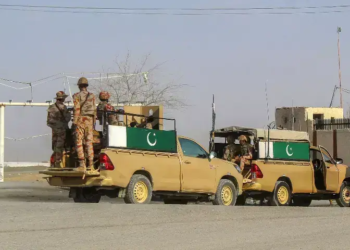
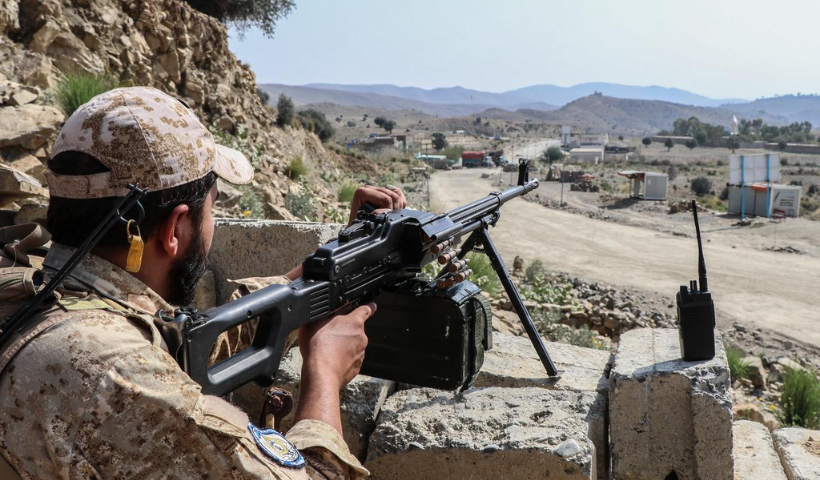
The latest round follows a fragile ceasefire brokered by Qatar and Turkiye earlier this month, which was preceded by intense clashes along the border. According to official sources, Pakistan launched a retaliatory campaign after Taliban fighters and allied militants opened unprovoked fire on Pakistani border posts.
Security officials said Pakistan’s forces repelled multiple assaults, killing over 200 militants, while 23 soldiers were martyred in the fighting. In response, Pakistan carried out “precision strikes” inside Afghanistan’s Kandahar province and Kabul, targeting several militant hideouts.
Following the escalation, Islamabad temporarily closed its border crossings with Afghanistan, stating that “the lives of Pakistanis are more important than trade or transit.”
During the ongoing dialogue, Pakistani negotiators have pressed the Taliban to dismantle all terrorist networks operating from Afghan territory and to take “concrete, verifiable steps” to prevent future attacks.
Security sources described the Taliban’s arguments during the earlier rounds as “illogical and detached from ground realities,” suggesting that the group’s stance has raised doubts about its willingness to pursue genuine regional peace.
“The progress of talks entirely depends on the Taliban’s sincerity and readiness to cooperate in good faith,” a senior Pakistani security official said. “Pakistan has made its position clear — any shelter or tolerance for militants targeting Pakistan will not be acceptable.”
Sources involved in the mediation said Turkiye continues to play a constructive role in helping the Taliban delegation understand the evidence and gravity of Pakistan’s concerns. However, they warned that the process may stall again if the Taliban remain inflexible or fail to acknowledge the realities on the ground.
Pakistan has also expressed concern over what it views as the Taliban’s growing alignment with India, which Islamabad perceives as an attempt to act as a regional proxy against Pakistani interests.
As of now, the talks continue in Istanbul with cautious optimism, though observers note that substantive progress will depend on the Taliban’s willingness to move beyond rhetoric and take credible security measures to address Pakistan’s long-standing grievances.