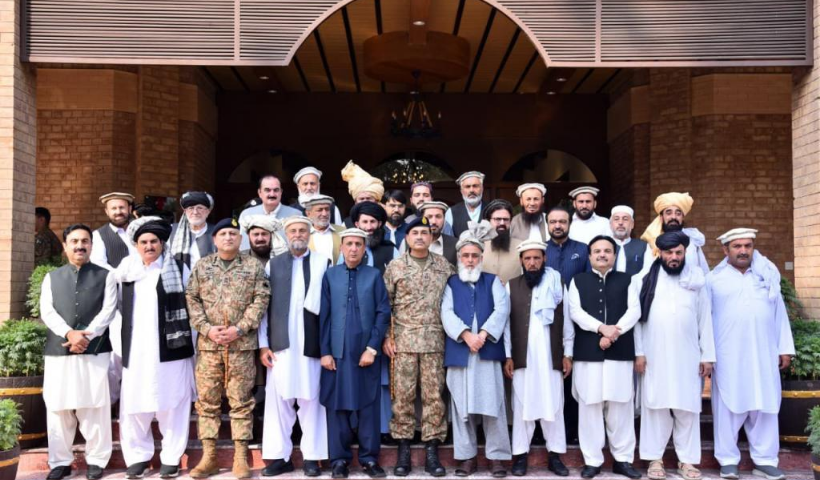
Istanbul, October 30, 2025: Pakistan and Afghanistan have agreed to resume negotiations in Istanbul at the request of mediator Turkiye, after earlier rounds of talks between Islamabad and Kabul failed to ease mounting tensions that recently erupted into deadly border clashes.
According to Pakistani security officials, Islamabad’s delegation had been preparing to leave the Turkish city after a four-day round of talks ended in deadlock earlier this week. However, following intervention by Turkiye and Qatar, the team has decided to remain in Istanbul to continue discussions on Thursday.
“Pakistan has once again stressed that Afghan soil should not be used for terrorism against Pakistan. We appreciate the constructive role of our hosts and remain committed to seeking a peaceful resolution in good faith,” a security official told Al Jazeera on condition of anonymity due to the sensitivity of the talks.
Afghan media, quoting sources, also confirmed that the negotiations were being revived after mediation by Turkiye and Qatar.
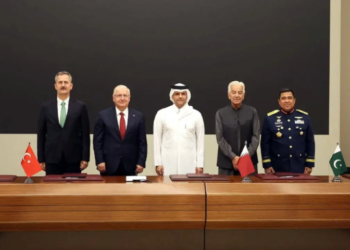
The two neighbours were engaged in a weeklong border conflict earlier this month in which both sides suffered casualties. Following the clashes, mediation by Qatar and Turkiye led to a ceasefire agreement signed on October 19 in Doha by the defence ministers of Pakistan and Afghanistan, in the presence of officials from both mediating countries.
The subsequent round of talks, which began in Istanbul on October 25, lasted four days but failed to bridge differences over Islamabad’s key demand that Kabul take concrete action against the Tehreek-e-Taliban Pakistan (TTP) — an armed group Pakistan blames for a series of deadly attacks on its territory.
The TTP, often referred to as the Pakistan Taliban, emerged in 2007 during the U.S.-led “war on terror” and has waged a prolonged insurgency against the Pakistani state. Islamabad accuses Kabul of providing sanctuary to the group and to other militants, including the Balochistan Liberation Army (BLA) and the Islamic State Khorasan Province (ISKP). The Afghan Taliban have repeatedly denied the allegations.
Since retaking power in August 2021 following the withdrawal of U.S. forces, the Afghan Taliban have maintained that the TTP issue is an “internal matter” of Pakistan. They have also clashed with ISKP, which they regard as a hostile rival.
Following confirmation that the Istanbul talks had stalled, Pakistan’s Defence Minister Khawaja Asif issued a strongly worded statement on X, warning of a potential “all-out attack” against the Afghan Taliban regime.
He accused the rulers in Kabul of “blindly pushing Afghanistan into yet another conflict, just to retain its usurped rule and maintain the war economy that sustains them.”
“The warmongers among the Taliban regime, who have vested interests in continued instability in the region, should know that they have probably misread our resolve and courage,” Asif wrote.
Security analyst Abdul Sayed, a Sweden-based researcher on armed groups in South and Central Asia, told Al Jazeera that Asif’s remarks hinted at Pakistan’s readiness to resume air strikes inside Afghanistan, but the decision to return to the negotiating table suggested a strategic recalibration.
“The resumption of dialogue suggests either that the issue causing the earlier deadlock has been resolved or that the Pakistani delegation, at the mediators’ request, has shown flexibility to make another attempt to resolve the matter through negotiation,” Sayed observed.
In a separate television interview on Wednesday, Asif also alleged that India was waging a “low-intensity war” in Pakistan through the Afghan Taliban, claiming Islamabad had evidence of Indian involvement — though he did not present any proof.
Pakistan and India have long traded accusations of supporting cross-border militancy. While New Delhi blames Islamabad for harbouring groups that target Indian-administered Kashmir, Pakistan alleges that India funds separatist movements in Balochistan, the mineral-rich southwestern province.
This year, however, saw a notable thaw between New Delhi and the Afghan Taliban, culminating in Afghan Foreign Minister Amir Khan Muttaqi’s visit to India earlier this month — a development that Islamabad views with unease.
Sayed noted that the latest escalation along the Pakistan-Afghanistan border coincided with Muttaqi’s visit to India.
“Pakistan has long maintained that India uses Afghan territory to create challenges for it. Even during the rule of the Afghan Taliban — traditionally Pakistan’s allies — these concerns persisted,” he said. “Within the broader context of Islamabad-Kabul relations, India remains a crucial factor.”