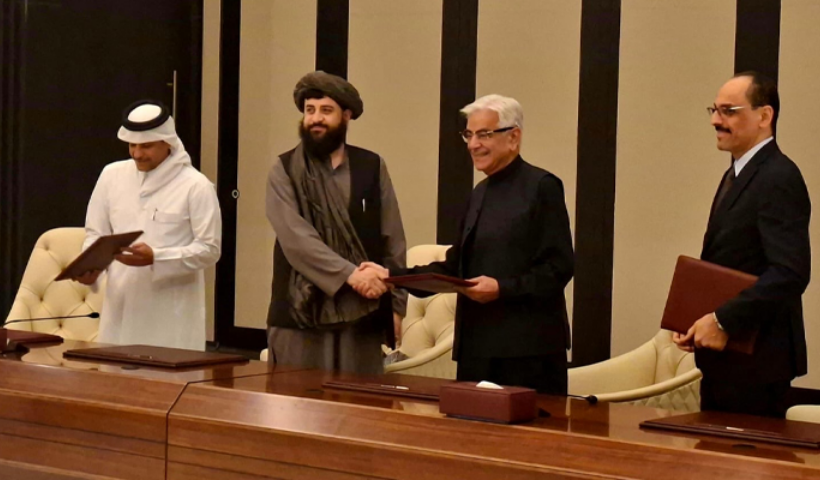
Islamabad/Istanbul, October 31, 2025: Pakistan and the Afghan Taliban regime have agreed to uphold a ceasefire following a fresh round of talks in Istanbul, Türkiye’s Foreign Ministry confirmed late Thursday.
According to a joint statement, “further modalities of the implementation will be discussed and decided in a principal-level meeting in Istanbul on November 6, 2025.”
The latest meetings, held from October 25 to 30, aimed to reinforce the ceasefire agreed between Pakistan and Afghanistan during earlier talks in Doha on October 18–19.
“All parties have agreed to put in place a monitoring and verification mechanism to ensure maintenance of peace and impose penalties on any violating party,” the statement added.
Mediators Türkiye and Qatar expressed appreciation for the “active contribution” of both sides and reiterated their readiness to continue facilitating dialogue for lasting peace and stability.
Pakistan welcomes ceasefire, warns against violations
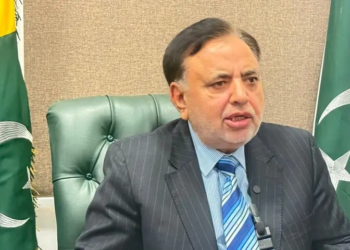
Reacting to the development, Information Minister Attaullah Tarar said Islamabad hopes “terrorist actions will no longer take place” and urged the Taliban regime to ensure Afghan territory is not used against Pakistan.
He added that penalties would be determined for any violation of the truce and that the ceasefire arrangement also includes Taliban operations against “Fitna al-Khawarij.”
“Pakistan will now have a new forum to present evidence of cross-border terrorism,” Tarar said, noting that decisions on reopening the Pakistan-Afghanistan border would be taken at a later stage.
Minister of State for Interior Talal Chaudhry cautioned that the Taliban regime “must not become a proxy for India,” warning such alignment could undermine Afghanistan’s sovereignty. He described the extension of the ceasefire as a “victory for Pakistan’s principled stance.”
“Pakistan’s people and peace are our red lines,” Chaudhry said. “India cannot guarantee Afghanistan’s security.”
Pakistan and Afghanistan resumed peace talks in Istanbul after Islamabad announced that an earlier four-day round had ended without progress. The breakdown reportedly came after the Taliban delegation refused to provide verifiable guarantees that groups such as the Tehreek-e-Taliban Pakistan (TTP) would not use Afghan soil for attacks inside Pakistan.
Defence Minister Khawaja Muhammad Asif said progress remained limited and depended on Kabul’s willingness to alter its stance “under the guidance of Qatar and Türkiye.” He warned that any attempts to destabilise Pakistan would be met “decisively.”
A source close to the Taliban delegation told reporters that “most issues had been resolved,” but some Pakistani demands “required more time” as they were “difficult to accommodate.”
Pakistan has witnessed a surge in terrorist attacks, particularly in Khyber Pakhtunkhwa and Balochistan, since the Taliban took power in Afghanistan in 2021.
Islamabad has repeatedly urged the Taliban to take action against militant groups operating from Afghan territory. However, the Taliban regime has largely remained indifferent, instead providing refuge to several outfits targeting Pakistani security forces and civilians.
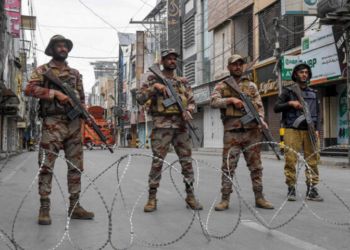
Tensions escalated after unprovoked Afghan firing along the border on October 12, which prompted a strong military response from Pakistan. Security forces killed more than 200 Taliban fighters and affiliated militants, though 23 Pakistani soldiers were martyred in the clashes.
Pakistan also conducted limited strikes inside Afghanistan, including in Kabul, targeting terrorist hideouts. Hostilities subsided after Pakistan accepted a Taliban request for a temporary ceasefire on October 17.
Subsequent talks in Doha led to a formal truce agreement, followed by the latest Istanbul negotiations mediated by Türkiye and Qatar.
Despite some progress, officials say the peace process remains fragile, with the success of the ceasefire hinging on the Taliban’s commitment to curbing cross-border terrorism.