Istanbul, November 7, 2025: Talks between Pakistan and Afghanistan stalled on Friday without any breakthrough, as negotiators failed to resolve deep differences over mechanisms to monitor and prevent cross-border terrorism, officials and diplomatic sources confirmed.
“The talks in Istanbul are deadlocked,” a senior Pakistani security source told reporters, confirming that discussions had reached an impasse.
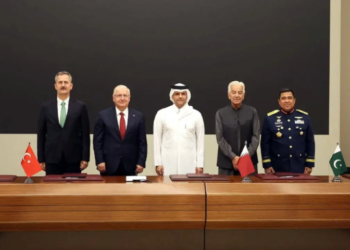
The third round of Pakistan–Afghanistan talks, held under Turkish and Qatari mediation, began on Thursday and was scheduled to continue for two days.
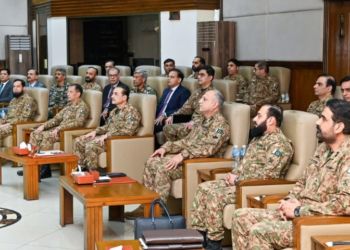
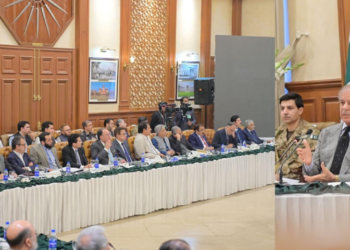
Pakistan’s delegation, led by Inter-Services Intelligence (ISI) Director General Lt. Gen. Asim Malik, included senior officials from the military, intelligence, and the Foreign Office. The Afghan Taliban side was headed by General Directorate of Intelligence (GDI) chief Abdul Haq Waseq and comprised Suhail Shaheen, Anas Haqqani, and Deputy Interior Minister Rehmatullah Najib.
The dialogue follows border clashes in early October, which left several soldiers and civilians dead on both sides. Following those incidents, Turkiye and Qatar stepped in to mediate.
The first round in Doha produced a fragile ceasefire, while the second ended with only a general agreement to develop a verification mechanism for monitoring cross-border attacks. The Istanbul round was intended to finalize those modalities — but instead ended in stalemate.
According to reports, the Pakistani delegation left for its hotel after talks broke down. There was no face-to-face meeting between the delegations on Friday, though they met directly a day earlier in the presence of mediators.
For most of Friday, Turkish and Qatari mediators engaged the Afghan side separately, relaying Pakistan’s concerns and demands.
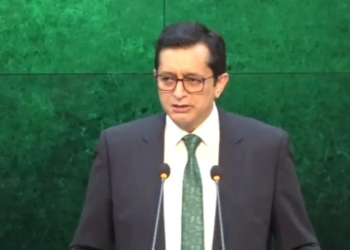
Foreign Office spokesman Tahir Hussain Andrabi told reporters in Islamabad that the delegation had presented its case in a “comprehensive and evidence-based manner.”
“The Pakistan delegation has handed over its evidence-based, justified, and logical demands to the mediators with a singular aim to put an end to cross-border terrorism,” Andrabi said.
“They are now discussing Pakistan’s demands with the Afghan delegation point by point.”
Afghan negotiators, meanwhile, described Pakistan’s demands as “unrealistic and aggressive,” claiming their own proposals were “logical and easily achievable.” One Afghan delegate reportedly remarked that “it is up to Pakistan’s own calculations to deal with the situation.”
A source in Istanbul described the late-evening atmosphere at the Conrad Hotel, where talks were held, as “not positive.”
Information Minister Attaullah Tarar, speaking separately, said the onus now lies on Afghanistan to fulfill its “international, regional, and bilateral pledges” regarding counterterrorism.
“Pakistan shall continue to exercise all options necessary to safeguard the security of its people and its sovereignty,” Tarar warned, echoing the Foreign Office’s earlier stance.
“In any eventuality, we will protect the lives of our people and ensure that our civilians, military forces, and law enforcement agencies on the border are not killed by attacks emanating from Afghanistan.”
The deadlock comes after weeks of shuttle diplomacy aimed at easing tensions that spiked following deadly cross-border clashes in mid-October — the most serious confrontation between the two neighbours since the Taliban took power in 2021.
The hostilities began when an attack was launched on Pakistan from Afghan territory on October 11, following Taliban claims of Pakistani airstrikes — allegations Islamabad neither confirmed nor denied.
Islamabad has long demanded that the Taliban prevent terrorist groups from using Afghan soil to target Pakistan — a charge Kabul denies.
Following several skirmishes between October 11 and 15, both sides agreed to a ceasefire on October 15, paving the way for talks in Doha.
Two subsequent rounds — first in Doha, then in Istanbul — produced only limited progress. A joint statement issued by Turkiye on October 31 had expressed hope that “further modalities of implementation” would be finalized at the Istanbul meeting, but that expectation has now faded.
This week’s talks began on November 6, even as a brief exchange of fire at the Chaman–Spin Boldak crossing killed two people, including a woman, on the Pakistani side — underscoring the fragility of the ceasefire.