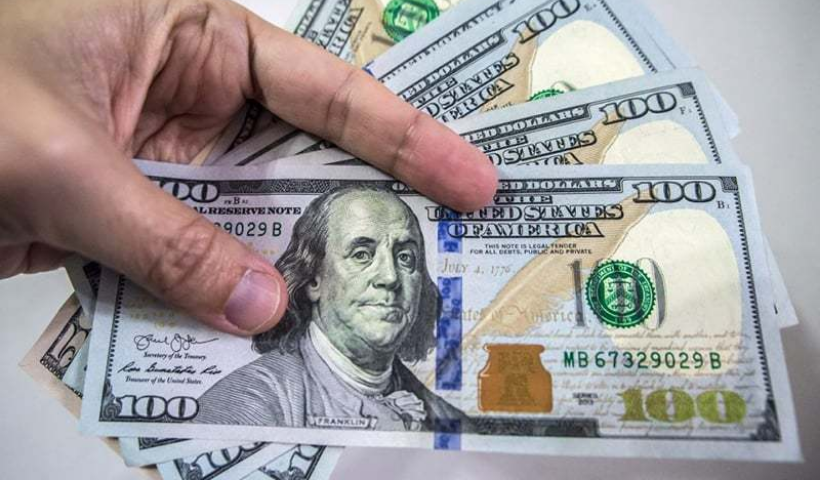
Islamabad, November 15,2025: Pakistan’s dollar bonds are set to extend their impressive rally—the strongest in Asia this year—thanks to improved credit ratings and renewed plans to re-enter global capital markets, Bloomberg reported.
The government aims to issue yuan-denominated bonds later this year, followed by a return to the Eurobond market in 2026, marking Pakistan’s first such issuance in nearly five years. The move represents a major milestone for a country that narrowly avoided default two years ago and is expected to boost investor confidence further, according to Goldman Sachs Asset Management and UBS Asset Management.
The planned issuances signal Islamabad’s intent to diversify its funding sources and reduce dependence on the International Monetary Fund. Pakistan’s dollar bonds have already delivered a 24.5% return in 2025 — the highest in Asia.
Danske Bank Asset Management, which began purchasing Pakistan’s debt during the peak of its financial crisis two years ago, has expanded its holdings several times this year. “We are optimistic that Pakistan will stay on the reform course, rebuilding buffers like higher dollar reserves and also getting market access and taking advantage of that,” said Soren Morch, head of emerging markets debt, in comments to Bloomberg.
Earlier this year, both S&P Global Ratings and Fitch Ratings upgraded Pakistan’s sovereign credit rating, citing improved fiscal management and reform momentum under Prime Minister Shehbaz Sharif’s IMF-backed economic programme. Islamabad has secured billions in IMF support by increasing tax revenues and maintaining fiscal discipline.
“The outperformance will sustain as long as they’re sticking to the IMF policies, which we believe they have a strong commitment to do so,” said Shamaila Khan, head of fixed income for emerging markets and Asia-Pacific at UBS Asset Management. She added that the prospect of renewed market access eases concerns about debt refinancing “over the next two to three years.”
However, risks remain. Persistent tensions with India and Afghanistan could weigh on Pakistan’s fragile economic recovery, while rising global energy prices may strain public finances — especially as oil accounts for roughly 30% of the country’s imports.
Still, investor sentiment remains upbeat. “In the next six to 12 months, we see rating upgrades as the first catalyst and market access as the next catalyst” for capital appreciation in markets like Pakistan, said Salman Niaz, head of global fixed income for APAC ex-Japan at Goldman Sachs Asset Management.