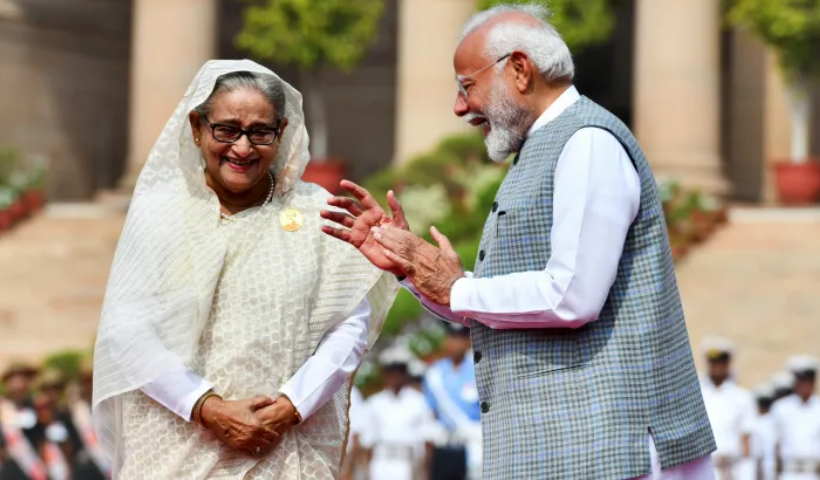
Dhaka, November 17, 2025: Bangladesh on Monday formally urged India to extradite ousted former prime minister Sheikh Hasina, just hours after a Dhaka court sentenced her to death in absentia on charges of crimes against humanity linked to last year’s deadly crackdown on a student-led uprising.
The 78-year-old former leader fled to India following her ouster in a mass revolt in August 2024, sharply straining bilateral relations. She has remained in hiding since.
The International Crimes Tribunal also handed a death sentence to former interior minister Asaduzzaman Khan Kamal, whose current whereabouts remain unknown. Bangladeshi authorities allege he, too, is in India.
In a strongly worded statement, Bangladesh’s foreign ministry said the extradition of both convicts was “an obligatory responsibility for India,” warning that granting them asylum would be “extremely unfriendly and an affront to justice.”
India’s foreign ministry said only that it had “noted the verdict,” adding that New Delhi “remains committed to the best interests of the people of Bangladesh, including in peace, democracy, inclusion and stability.” It avoided a direct response on whether it would extradite Hasina.
Hasina’s 15-year rule was marked by widespread human rights abuses, including extrajudicial killings and the mass detention of political opponents, according to rights groups.
Bangladesh previously said it would seek an Interpol red notice for Hasina, but no such request appears in the global police body’s public database.
Bangladesh’s interim leader and Nobel laureate Muhammad Yunus welcomed the judgment, calling it a “historic verdict.” He urged calm and warned against any attempt to disrupt public order.
Prosecutors had argued during the months-long trial that Hasina directly ordered security forces to use lethal force during protests between July 15 and August 5, 2024. A UN report estimates that up to 1,400 people were killed and thousands injured—most by gunfire.
Hasina, represented by a state-appointed defence lawyer, denied all charges. Ahead of the verdict, she dismissed the proceedings as politically motivated and said a guilty judgment was “a foregone conclusion.”
In an earlier email interview with Reuters, she described the tribunal as a “kangaroo court” run by her political rivals and said she had been denied adequate notice and meaningful opportunity to defend herself.
Bangladesh remains tense as it prepares for parliamentary elections expected in February. At least 30 crude bomb explosions and 26 vehicles have been torched across the country in recent days, though no casualties have been reported.
Hasina’s son and adviser, Sajeeb Wazed, said ahead of the verdict that the family would not appeal unless a democratically elected government—one including the Awami League—came into office.
Hasina warned in the same Reuters interview that millions of her supporters would boycott the upcoming polls.
Security in Dhaka and other major cities was tightened on Monday, with paramilitary forces deployed around government buildings and the tribunal compound. Authorities say they are prepared for any unrest in response to the verdict.