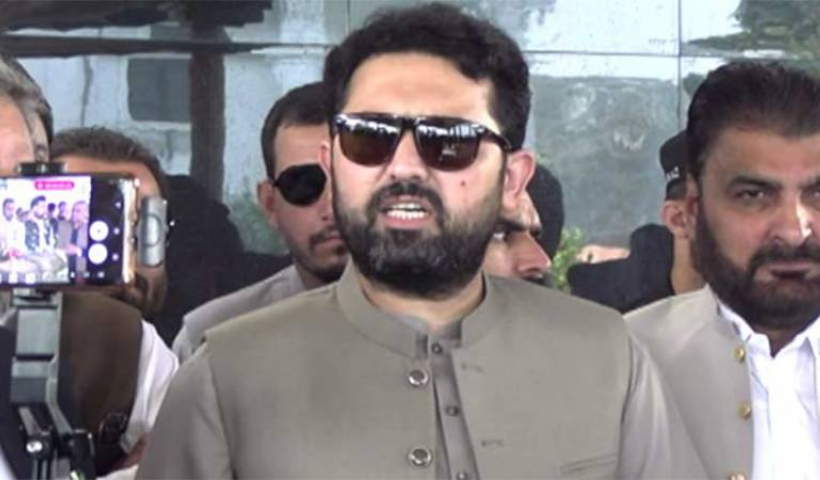
Rawalpindi, November 20, 2025: Khyber Pakhtunkhwa Chief Minister Sohail Afridi on Thursday voiced serious concerns over what he termed repeated violations of court orders and persistent restrictions preventing him from meeting jailed former prime minister Imran Khan.
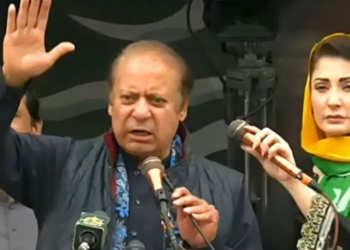
Speaking to reporters in Rawalpindi, Afridi said the latest incident — in which Khan’s sisters were also denied a meeting — was “against eastern traditions” and a breach of judicial directives. “I have court orders, yet I am not being allowed to meet Khan. I have written to federal and provincial governments, but no action has been taken,” he said.
The chief minister accused provincial authorities of “throwing the court order in the trash,” adding that despite attempts to contact the Chief Justice of Pakistan, he had received no response. “Tell me, what should I do? I am the chief executive of the province, and yet my passport has been taken. I have no assets abroad,” he said.
Afridi rejected suggestions that his earlier remarks implied a desire to distance KP from the federation. “Pakistan is mine. I am Pakistani. Anyone who thinks of separation from Pakistan is a traitor,” he clarified.
Referring to the November 26 firing on unarmed citizens and the Jamia Hafsa Gilgit-Baltistan episode, Afridi said such events “will be remembered,” warning that “policies made in closed rooms harm the country.” He asserted that some of his previous statements had been taken out of context.
He reiterated that he had merely called for transparent elections. “I had only said rigging should not be allowed, particularly in the election of Omar Ayub,” he noted, adding that all PTI protests were held within constitutional and legal parameters.
Afridi further said that his attempts to meet the imprisoned PTI founder had resulted in cases being registered against him by investigative agencies. “Baseless allegations are being levelled. I should be told who holds the authority,” he said. “I am a democratic person. I have gone everywhere — the National Assembly, Supreme Court, the Prime Minister.”
The chief minister concluded that strong institutions were vital for a stable state and that political disputes must be resolved strictly through legal and constitutional means.