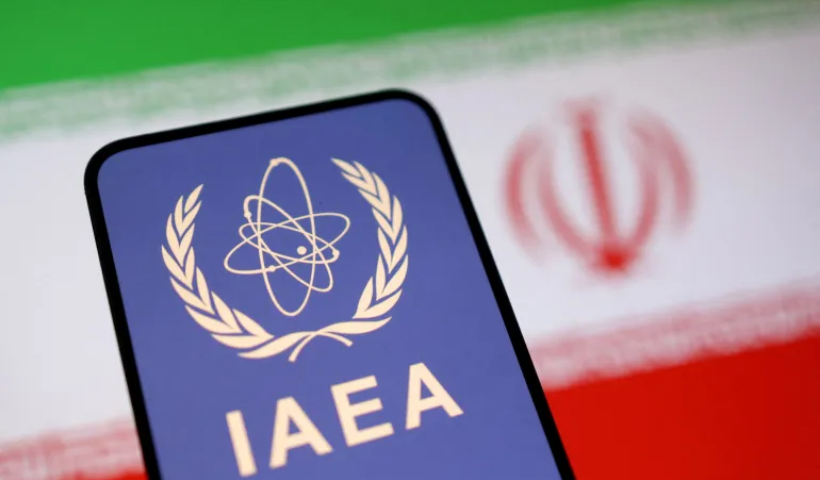
Vienna/Tehran, November 20, 2025: The board of governors of the International Atomic Energy Agency (IAEA) on Thursday adopted a resolution calling on Iran to provide “full and prompt” cooperation to UN nuclear inspectors, including access to sensitive sites damaged in recent strikes — a demand Tehran immediately rejected.
The move comes amid escalating tensions following Israeli and US attacks on Iranian nuclear facilities in June. UN inspectors have not been granted access to any of the affected complexes since then.
The resolution, tabled by the United States, Britain, France and Germany, passed with 19 votes in favour, three against and 12 abstentions. It urges Iran to comply with its obligations under UN Security Council resolutions and to extend comprehensive cooperation by providing all requested information and site access.
IAEA Director General Rafael Grossi on Wednesday reiterated his call for Iran to allow verification missions at key facilities, including the Natanz uranium enrichment plant and the Fordo underground complex.
However, Iran’s Foreign Minister Abbas Araghchi denounced the resolution, accusing Western countries of undermining the agency’s neutrality. “With this action, and disregard for Iran’s interactions and goodwill, these countries have tarnished the IAEA’s credibility and independence,” Araghchi said in a statement. “They are disrupting the process of technical cooperation.”
Araghchi said Tehran will restrict cooperation to facilities unaffected by the strikes, insisting it remains within the framework of IAEA regulations.
Iran’s envoy to the agency, Reza Najafi, told AFP the resolution would have a “negative impact” on relations with the IAEA. “It will not be helpful; it is counterproductive,” he said.
Grossi responded that it would not be “logical” for Iran to reduce cooperation further. He stressed that inspectors must verify Iran’s inventory of enriched uranium, particularly its stockpile of highly enriched material — a review that the agency said is “long overdue.”
According to a confidential IAEA assessment seen by AFP, Iran possessed approximately 44.9 kilograms of uranium enriched to 60% purity when the Israel-Iran conflict erupted on June 13 — close to the 90% level required for a nuclear weapon and up sharply from 32.3kg recorded on May 17. Iran remains the only non-nuclear-armed state enriching uranium to such levels.
“The stockpile is still there, so we need to check on that,” Grossi said. “We have carried out several inspections, but we have not been able to access the attacked sites. We must go, because this is part of Iran’s commitments.”
Grossi expressed hope that Iran would resume what he called “constructive engagement,” despite the latest diplomatic setback.