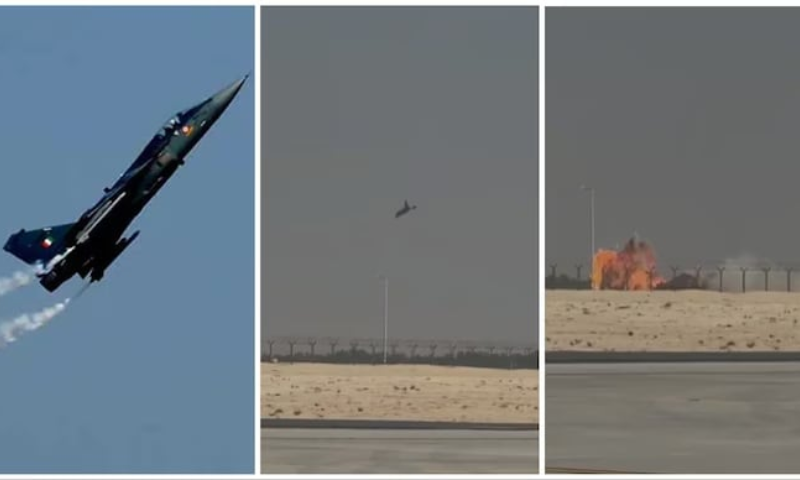
New Delhi, November 22,2025: India is facing heightened international scrutiny after the crash of its Tejas fighter jet, with analysts warning that attempts by Indian media to blame delayed US engine supplies may further damage the country’s global credibility.
The crash, which occurred during the Dubai Air Show, immediately drew worldwide attention. Soon after, high-profile Indian commentators—including retired General G.D. Bakshi and television anchor Arnab Goswami—claimed the incident was linked to delays in the supply of GE-404 engines from the United States. They argued that although India had paid nearly $1 billion, only two engines had reportedly been delivered.
Media personalities asserted that the alleged delay had weakened India’s operational readiness, with some warning of risks to national security amid potential military scenarios. Goswami went as far as calling the US “never a friend of India,” accusing Washington of deliberately obstructing India’s military progress. General Bakshi similarly described the delayed engines as creating a “dangerous gap” in preparedness.
However, defense analysts and international observers are pushing back against this narrative. Critics argue that blaming foreign suppliers obscures deeper, systemic issues within India’s defense manufacturing and quality-control processes. They contend that the Tejas crash has highlighted long-standing weaknesses in the country’s domestic defense ecosystem—issues that cannot be resolved by shifting responsibility to external factors.
Experts warn that the political and media rhetoric emerging after the crash may mislead the public and distract from necessary reforms. They note that global perception of the incident increasingly points to internal lapses, not foreign interference.
Analysts conclude that unless India addresses structural accountability and performance issues in its defense sector, attempts to redirect blame are unlikely to bolster confidence in the country’s military capabilities—either domestically or abroad.