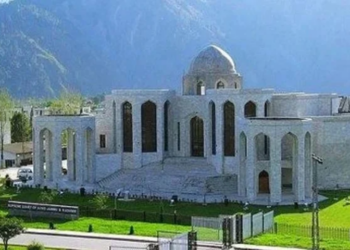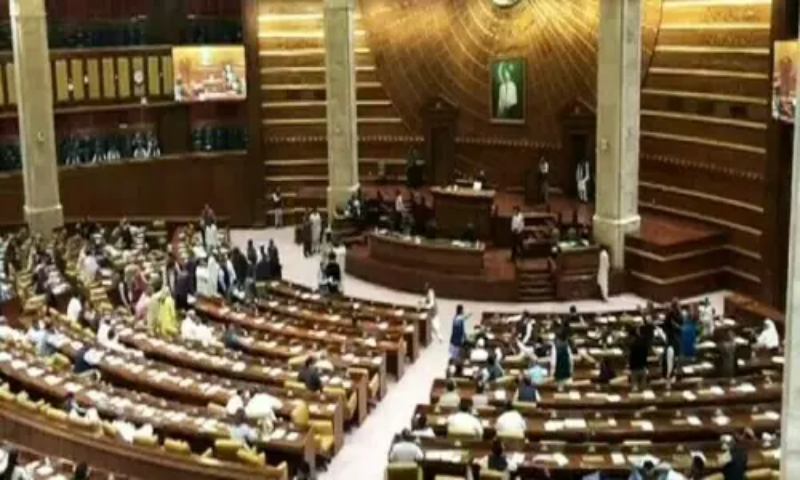
Lahore, December 9, 2025: The Punjab Assembly on Tuesday passed a resolution calling for a ban on Pakistan Tehreek-i-Insaf (PTI) founder and former Prime Minister Imran Khan, along with his party, accusing them of being “anti-state.”
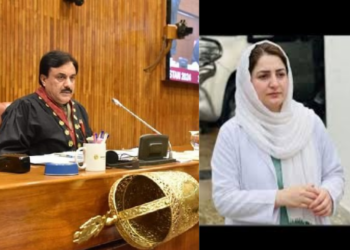
The resolution, moved by PML-N MPA Tahir Pervaiz, was adopted amid a boycott of the proceedings by PTI lawmakers. It cites statements and actions by Imran Khan as “tools of the enemy state” and claims that his rhetoric has created chaos and targeted national institutions.
“The institutions that safeguard Pakistan on every front and have successfully countered an enemy five times larger, such as India, are vital to the country’s integrity and stability,” the resolution stated. It called for legal action against any leader, political or otherwise, involved in undermining state institutions and demanded that appropriate punishment be awarded. The resolution also paid tribute to the personnel and leadership of Pakistan’s defense and security agencies.
The move comes days after Inter-Services Public Relations (ISPR) Director General Lt Gen Ahmed Sharif Chaudhry criticized Imran Khan for spreading an “anti-army” narrative, labeling it a “national security threat.” Since then, tensions have escalated between ruling Pakistan Muslim League-Nawaz (PML-N) leaders and PTI, with the former defending military statements and the latter condemning them as “ridiculous” and insisting that Imran Khan poses no security threat.
This is not the first time Pakistan has faced controversies over banning political parties. In 2024, the federal government had attempted to ban the PTI and initiate Article 6 proceedings against Imran Khan, ex-President Dr Arif Alvi, and former National Assembly deputy speaker Qasim Suri, though the move was not implemented. Earlier this year, the government approved a ban on the religio-political party Tehreek-i-Labbaik Pakistan (TLP) under the Anti-Terrorism Act following violent protests.
Banning political groups has historically been a feature of Pakistan’s political landscape, spanning periods of martial law and civilian governments alike.