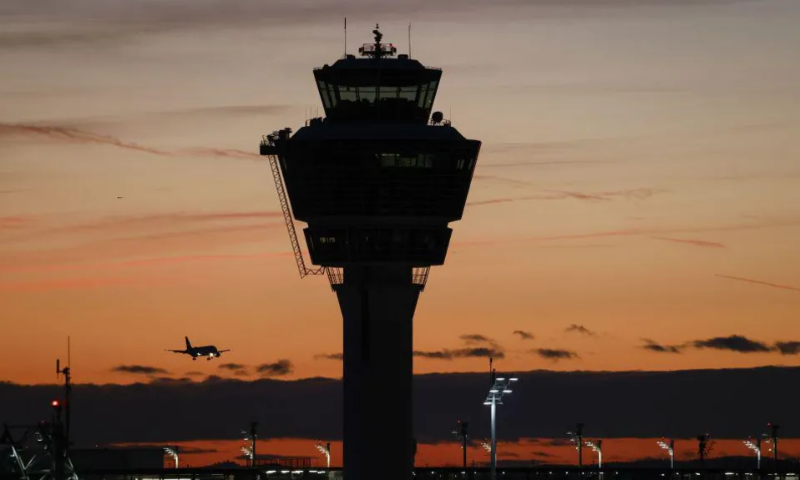
Berlin, December 12, 2025: Germany has accused Russia of conducting a cyber-attack on its air traffic control system and attempting to interfere in the country’s federal elections, summoning the Russian ambassador in protest, officials said Friday.
A spokesman for the German Foreign Ministry said that Russian military intelligence was responsible for a cyber-attack against Germany’s air traffic control in August 2024. The ministry also accused Moscow of trying to influence and destabilise the February 2025 federal election through a coordinated disinformation campaign.
“Our intelligence findings prove that the Russian military intelligence service GRU bears responsibility for this attack,” the spokesman said, adding that the operation was carried out by the Fancy Bear hacker group, which has been linked to previous high-profile cyber-attacks including the 2016 US Democratic National Committee breach and leaks targeting the World Anti-Doping Agency.
The ministry identified a disinformation campaign known as Storm 1516, which included fake videos alleging ballot manipulation and targeted leading candidates such as Green Party leader Robert Habeck and CDU candidate Friedrich Merz, who is now chancellor.
The August 2024 cyber-attack on air traffic control compromised office communications, but officials confirmed that flights were not affected.
Germany said it would respond to Moscow’s “hybrid actions” in coordination with its European partners to ensure that Russia “pays a price” for its attempts to destabilise the country.
The latest allegations come amid heightened European concern over Russian cyber operations following Moscow’s full-scale invasion of Ukraine in 2022. The UK and Romania have similarly accused Russia of meddling in domestic affairs over the past year.
Chancellor Merz, a strong supporter of Ukraine, has repeatedly condemned Russian cyber warfare and advocated for using frozen Russian assets to help defend Kyiv. Germany has also provided military, financial, and diplomatic support to Ukraine since the conflict began.
While Russia has not responded to the latest accusations, Moscow has historically denied involvement in European cyber-attacks and hybrid campaigns.
Relations between Berlin and Moscow have been tense for years, even before the war, highlighted by incidents such as the 2019 assassination of an ethnic Chechen in Berlin, believed to have been ordered by Russian state security.