Riyadh/Abu Dhabi, December 30,2025: The United Arab Emirates on Tuesday expressed disappointment over Saudi Arabia’s support for a call demanding the withdrawal of Emirati forces from Yemen within 24 hours, following a Saudi-led coalition airstrike on the southern Yemeni port city of Mukalla.
The strike, which Riyadh said targeted a UAE-linked weapons shipment, marked the most serious escalation to date in a growing rift between the two Gulf powers, once regarded as twin pillars of regional security. Saudi Arabia alleged that the UAE had pressured Yemen’s southern separatists to carry out military operations that reached Saudi territory, declaring its national security a “red line”.
Relations between Riyadh and Abu Dhabi have strained in recent years as their interests diverged on key regional and economic issues, including Yemen, oil policy, and geopolitical influence. While both were part of the Saudi-led coalition against Yemen’s Iran-aligned Houthi movement, frictions intensified as the UAE backed southern separatists seeking self-rule, and Saudi Arabia continued to support Yemen’s internationally recognised government.
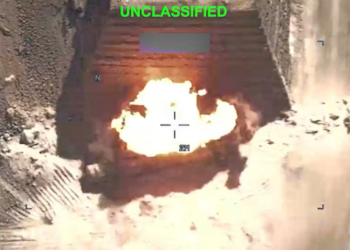
On Tuesday, the coalition said it had struck a dock in Mukalla used to provide foreign military support to the UAE-backed Southern Transitional Council (STC). Yemen’s Saudi-backed presidential council head, Rashad al-Alimi, issued a 24-hour ultimatum for Emirati forces to leave the country and later cancelled a defence pact with the UAE.
In a televised address, Alimi accused Abu Dhabi of fuelling instability by backing the STC. “It has been definitively confirmed that the United Arab Emirates pressured and directed the STC to undermine and rebel against the authority of the state through military escalation,” he said.
The UAE rejected the accusations, saying it was surprised by the airstrike and insisting that the shipment targeted did not contain weapons and was destined for Emirati forces. Abu Dhabi said its presence in Yemen followed a request from the internationally recognised government and took place within the framework of the Saudi-led coalition. It urged all parties to act responsibly and avoid escalation.
The incident has raised concerns beyond Yemen, as both Saudi Arabia and the UAE are key members of the OPEC oil exporters’ group. Analysts warn that deepening tensions could complicate coordination on oil output decisions. OPEC+ members are due to meet online on Sunday, with delegates indicating current production levels are likely to remain unchanged in the first quarter.
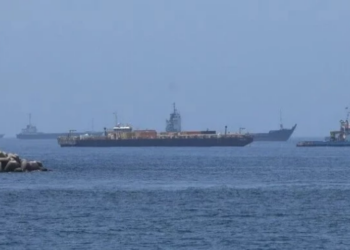
Saudi state media reported that the airstrike caused no casualties or collateral damage. However, Yemeni state television aired footage showing black smoke rising from Mukalla port and burned vehicles at the site. Two sources told Reuters the strike targeted the dock where cargo from two vessels arriving from the UAE port of Fujairah had been unloaded, though this could not be independently verified.
Following the strike, Alimi imposed a 72-hour no-fly zone and sea and ground blockade on all ports and crossings, with limited exemptions authorised by the coalition. Meanwhile, STC leader Aidarous al-Zubaidi rejected the orders, saying they lacked consensus and reaffirmed that the UAE remained a key partner in the fight against the Houthis.
The latest developments bring Saudi Arabia and the UAE closer than ever to open confrontation in Yemen, raising fears of a renewed and broader phase of the country’s long-running civil conflict.