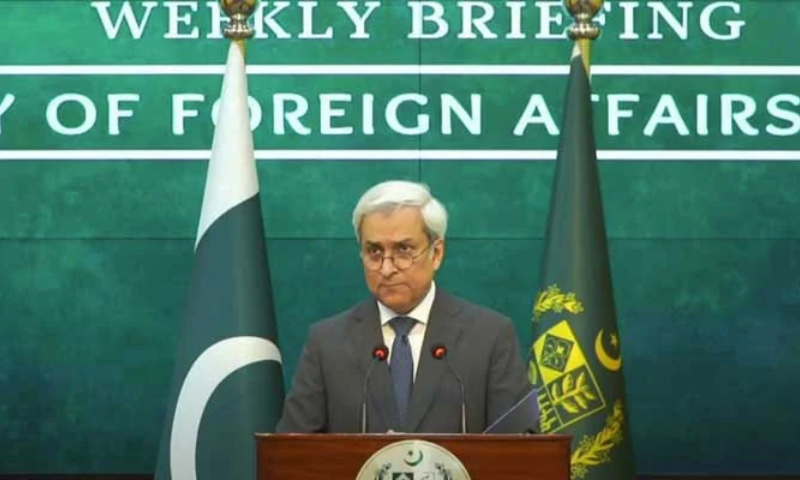
Islamabad, January 8, 2026: The Ministry of Foreign Affairs (MoFA) on Thursday said that Pakistan’s diplomatic channels with Afghanistan remain active, with contacts continuing between the two neighbouring countries despite recent strains in bilateral relations.
Tensions between Islamabad and Kabul have intensified in recent months, primarily over the issue of cross-border terrorism. Pakistan has repeatedly urged Afghan authorities to take verifiable and concrete measures to dismantle terrorist groups operating from Afghan soil and to prevent the use of its territory for attacks against Pakistan.
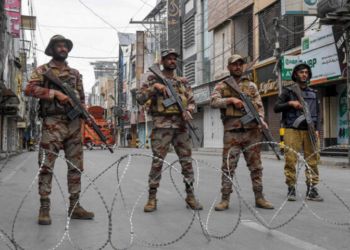
In October 2025, Pakistan closed several major border crossings following one of the deadliest military escalations between the two countries in recent years. Although a ceasefire was declared on October 19, trade across the border has yet to resume.
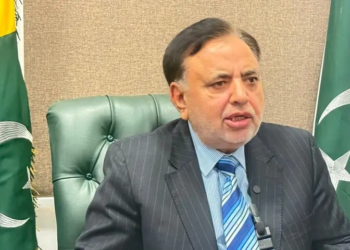
Speaking at a weekly press briefing, Foreign Office spokesperson Tahir Hussain Andrabi emphasised that Pakistan does not interfere in Afghanistan’s internal affairs. However, he underscored that terrorism emanating from across the border remains Islamabad’s foremost concern.
“Incidents of terrorism originating from Afghanistan are a primary concern for Pakistan. Our clear demand is that Afghan territory should not be used against Pakistan,” Andrabi said.
He stressed that progress on the issue requires firm commitments from Kabul. “We need written, verifiable and concrete assurances from Afghan authorities. Without such written commitments, the issue of terrorism cannot be resolved,” he added.
The spokesperson noted that addressing terrorism would significantly improve bilateral relations, adding that Pakistan and Afghanistan have no other major disputes. He also highlighted Afghanistan’s broader regional potential, saying the country could emerge as a regional hub if security concerns are addressed.
“Written assurances and practical steps to end terrorism will lead to improvement in border management and bilateral relations. Ensuring an end to terrorism is also in Afghanistan’s own interest,” Andrabi said.
Commenting on Pakistan’s position regarding ongoing protests in Iran, the Foreign Office spokesperson reiterated Islamabad’s longstanding principle of non-interference. “Pakistan does not comment on the internal situation in Iran, nor does it consider intervention appropriate. We strongly oppose interference in the internal matters of any country, including Iran,” he said.
Separately, Inter-Services Public Relations (ISPR) Director-General Lieutenant General Ahmed Sharif Chaudhry, while addressing the recent hostilities with Afghanistan, said that Afghan Taliban forces had attacked Pakistani border posts earlier this week.
“Whatever was required was done, and a hard message was delivered,” he said, adding that Afghanistan has become a centre of terrorist activity in the region.
Lt Gen Chaudhry alleged that the nexus between Fitna al-Khawarij, the Tehreek-e-Taliban Pakistan (TTP), and India was fully exposed in 2025, posing a serious threat to regional peace and security. He further claimed that the Afghan Taliban regime had found a “new hero” in Indian Prime Minister Narendra Modi.
Reaffirming Pakistan’s resolve to counter terrorism, the ISPR chief said, “We have to win the war against terrorism at all costs. We will win this war with strength.” He noted that Pakistan had closed its borders over the past three months and that decisive actions were taken against terrorist elements.
Referring to operations along the Afghan border in October 2025, Lt Gen Chaudhry said Pakistan targeted TTP militants, not the Afghan Taliban. “Dozens of Afghan posts were eliminated within hours,” he said.
Recalling the 2020 Doha Agreement between the United States and the Taliban, he said the Afghan Taliban had assured that Afghan soil would not be used for terrorism. However, he lamented that Afghanistan continues to serve as a stronghold for Fitna al-Khawarij and Fitna al-Hindustan, undermining regional stability.