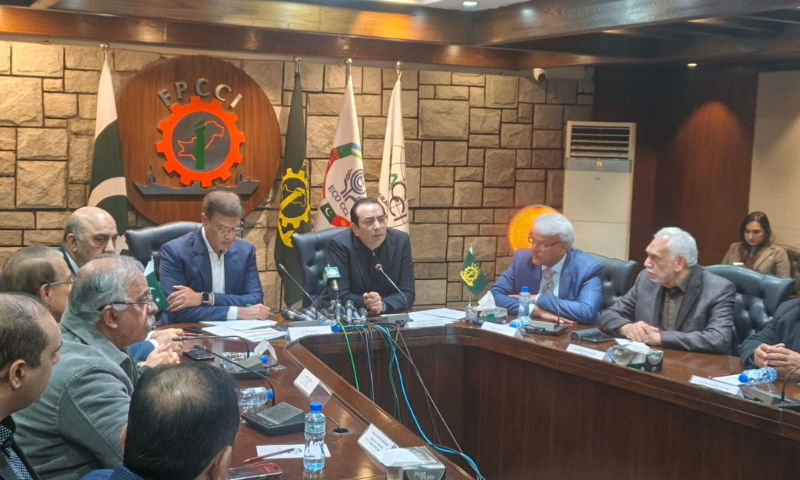
Islamabad, January 16, 2026: The Federation of Pakistan Chambers of Commerce and Industry (FPCCI) on Friday warned that Pakistan’s industrial sector is facing a severe crisis due to high energy tariffs and heavy taxation, leading to widespread factory closures and mounting job losses.
Addressing a press conference in Islamabad, FPCCI President Atif Ikram Sheikh said that expensive electricity had crippled industrial activity, particularly in the textile sector. “Costly electricity has crippled industrial activity, particularly in the textile sector,” he said, adding that around 150 large textile units have shut down over the past two years.
Sheikh noted that in December it was reported that more than 100 spinning mills and over 400 ginning factories had become non-operational due to unprecedented taxes, high power tariffs and a surge in under-invoiced imports of cotton yarn and fabric from China and other countries.
Calling for urgent government intervention, the FPCCI president urged the immediate abolition of cross-subsidies imposed on the industrial sector and demanded a reduction in the policy rate to single digits. He proposed cutting interest rates first to nine per cent and then to seven per cent to revive industrial growth and investment.
Trader and business leader SM Tanvir said the deteriorating situation had also been highlighted in the World Economic Forum’s 2026 report, which increased Pakistan’s risk rating. “Business activity and employment opportunities in the country are declining, while the small and medium enterprises (SME) sector has been reduced to a junkyard,” he said, quoting the report.
Tanvir also criticised existing tax policies, alleging discrimination in enforcement. “Non-filers face no scrutiny when depositing money in banks, but are heavily taxed. It appears the Federal Board of Revenue is working to please banks,” he claimed.
FPCCI officials warned that failure to urgently address the issue of expensive electricity could bring the industrial sector to a complete standstill. They appealed to the prime minister to “remove the industry from the ventilator” and reduce taxes on the export sector to prevent further economic decline.
An analysis shared at the press conference said Pakistan’s export sector faces one of the most punitive tax regimes in the region. Exporters are subject to advance income tax, minimum turnover tax, super tax and multiple withholding taxes across supply chains, while sales tax and duty drawback refunds are frequently delayed.
The analysis further pointed out that high and unpredictable energy prices continue to undermine export competitiveness, as industry cross-subsidises domestic consumers, absorbs losses from theft and inefficiencies, and pays capacity charges for unused power generation.