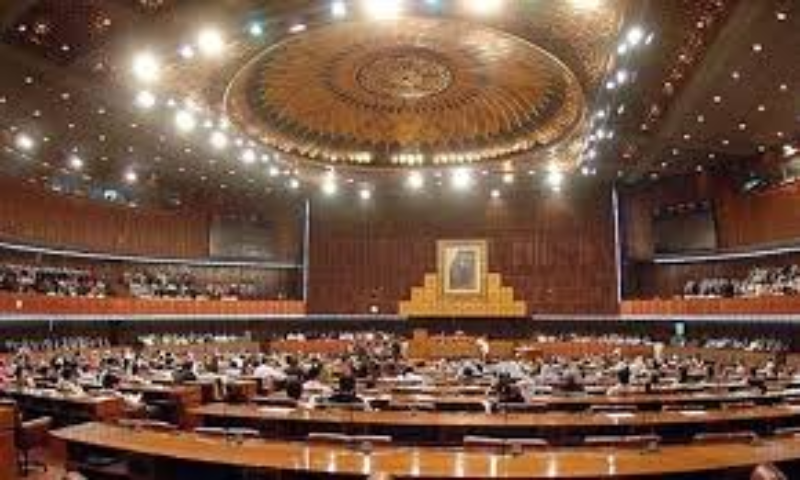
Islamabad, February 17, 2026: The completion of the second parliamentary year of Pakistan’s 16th National Assembly marks a significant milestone in the country’s legislative and democratic history. Under the leadership of Sardar Ayaz Sadiq, the House demonstrated remarkable progress in lawmaking, oversight, and institutional strengthening, reflecting a renewed commitment to transparency and democratic governance.
During the year, the Assembly introduced 59 Government Bills, received 14 from the Senate, and passed 46. In addition, 48 Private Members’ Bills were introduced, 38 received from the Senate, and 13 passed. A total of 46 Acts were enacted, including 40 Government Bills and 6 Private Members’ Bills, alongside 27 resolutions addressing matters of national importance.
The National Assembly convened 11 sessions, including three joint sittings, completing 130 working days and 87 actual sitting days, totaling 237 hours and 36 minutes. In the exercise of constitutional oversight, the House admitted 7,625 questions, with 1,710 answered by ministries. Additionally, 329 Calling Attention Notices, 15 Adjournment Motions, 33 Questions of Privilege, and 263 Motions under Rule 259 were received and processed in line with parliamentary procedures.
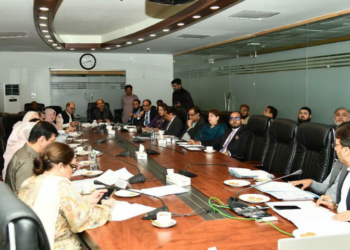
During the Budget Session for FY 2025–26, the Annual Budget was passed after detailed deliberations and incorporation of Members’ amendments. For the first time, the Budget Bill was referred to the Standing Committee on Finance and Revenue, which actively reviewed federal finances.
Key legislative milestones included the 27th Constitutional Amendment Bill, the Digital Nation Pakistan Act, 2025, amendments to the Prevention of Trafficking in Persons Act and Prevention of Smuggling of Migrants Act, 2025, the National Commission on the Status of Women (Amendment) Act, 2025, and the National Forensics Agency Act, 2024.
Speaker Sardar Ayaz Sadiq conducted House proceedings impartially, fostering constructive engagement between government and opposition members. Emphasis was placed on strengthening Question Hour for ministerial accountability, summoning secretaries when critical questions remained unanswered, and maintaining inclusive participation from all Members.
Parliamentary forums, including the Women’s Parliamentary Caucus, Parliamentary Caucus on Child Rights, Young Parliamentarians Forum, and Parliamentary Task Force on SDGs, were revitalized to promote participatory governance. Provincial caucuses were established to strengthen coordination between federal and provincial stakeholders.
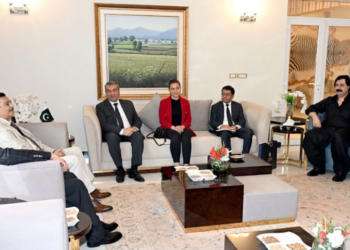
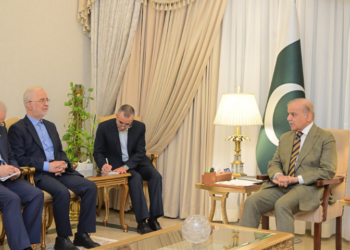
On the international front, Speaker Sadiq advanced parliamentary diplomacy, participating in the Pro-Palestine Parliamentary Conference in Türkiye, official visits to Saudi Arabia and Azerbaijan, the 6th World Conference of Speakers of Parliament, the 151st Inter-Parliamentary Union Assembly in Geneva, and leading delegations to Bahrain. He also hosted the Third Trilateral Speakers’ Conference in Islamabad, enhancing Pakistan’s global parliamentary outreach.
Youth engagement remained a priority through the Youth Internship Program, with over 20,000 applicants competing for 400 internship opportunities, and public access to parliamentary proceedings was strengthened via NA TV live streaming and active social media platforms.
The second parliamentary year of the 16th National Assembly stands as a testament to enhanced legislative performance, robust oversight, transparency, active parliamentary diplomacy, and Pakistan’s sustained commitment to democratic values under the stewardship of Speaker Sardar Ayaz Sadiq.