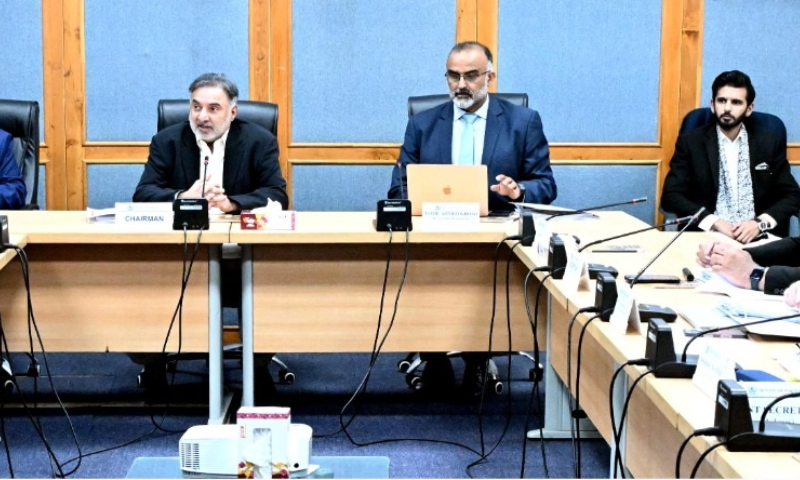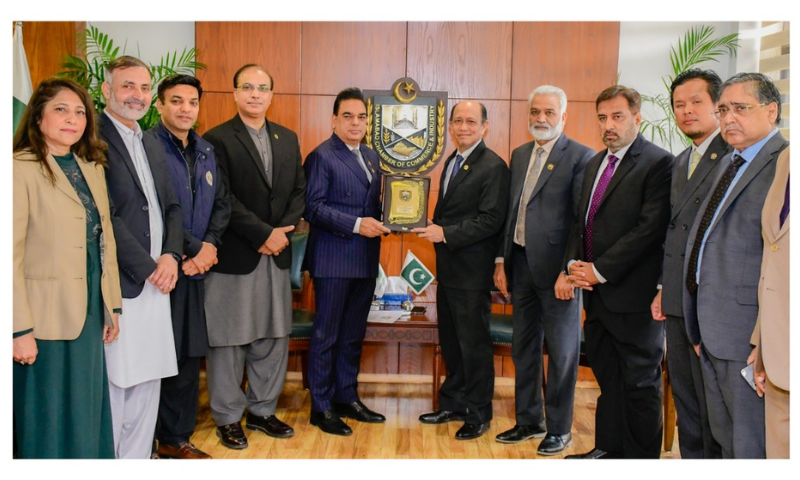
Islamabad, February 19, 2026: High Commissioner of Malaysia to Pakistan, Dato’ Mohammad Azhar Mazlan, has reaffirmed his country’s strong commitment to deepening economic and business relations with Pakistan, stressing that while political ties are robust, there remains significant scope to expand and rebalance bilateral trade.
Addressing the business community at the Islamabad Chamber of Commerce and Industry (ICCI) on Thursday, the High Commissioner highlighted the longstanding friendship between the two countries. He recalled that Pakistan was among the earliest nations to recognize Malaysia’s independence in 1957 and supported its constitutional development, describing bilateral ties as rooted in brotherhood and mutual respect.
Referring to the visit of Prime Minister Shehbaz Sharif to Malaysia last year, he noted that seven Memorandums of Understanding were signed, including cooperation in the halal sector. Under these arrangements, Malaysia committed to importing up to USD 200 million worth of halal meat annually from Pakistan, with around USD 100 million already imported. He added that Malaysia is also sourcing agro-products such as potatoes, onions, and basmati rice from Pakistan, which currently ranks as the second-largest rice supplier to Malaysia.
The High Commissioner observed that bilateral trade, estimated at USD 1.6–1.8 billion, remains below its true potential and is tilted in Malaysia’s favor. As a net food-importing country serving a population of 34 million, Malaysia sees strong opportunities to increase imports of Pakistani poultry, dairy products, halal meat, and other agricultural commodities to help rebalance trade.
He emphasized the need to translate strong political goodwill into tangible business outcomes and called for structured, sector-focused engagement between ICCI and Malaysian business chambers. Addressing perception gaps and strengthening trust between the business communities, he said, would be key to unlocking greater cooperation.
Highlighting people-to-people linkages, he noted that more than 100,000 Pakistanis reside in Malaysia, contributing USD 400–500 million annually in remittances and acting as an important bridge between the two economies. Strong air connectivity between Islamabad, Lahore, Karachi and Kuala Lumpur further supports trade, tourism, and investment flows, he added.
The High Commissioner also identified pharmaceuticals and emerging technologies, particularly artificial intelligence, as promising areas of collaboration. With Malaysia expected to move toward an aging society by 2030, rising demand for healthcare and pharmaceutical products presents new opportunities for Pakistani exporters. At the same time, cooperation under Malaysia’s industrial transformation and digital initiatives could leverage Pakistan’s large youth population and technological potential.
Earlier, ICCI President Sardar Tahir Mehmood said the High Commissioner’s visit reaffirmed the deep-rooted Pakistan–Malaysia friendship while opening new avenues for private-sector collaboration. He acknowledged the trade imbalance and stressed the need for wider market access and diversification of Pakistani exports, particularly in agriculture, manufacturing, and halal products.
ICCI Senior Vice President Tahir Ayub expressed confidence that sustained engagement and targeted sectoral cooperation would help both countries unlock greater trade volumes and shared prosperity in the coming years.
The event was also attended by ICCI Vice President Irfan Chaudhry, Malaysian First Secretary Zulasri Rosdi, ICCI executive members, and representatives from the business community.