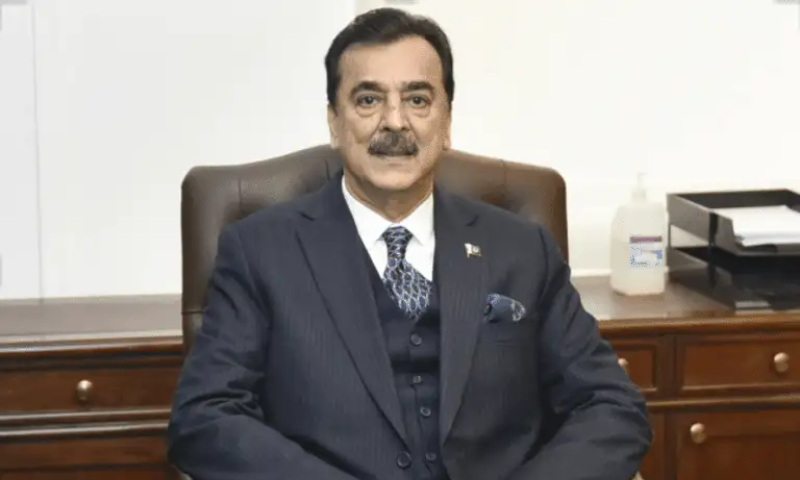
Islamabad, March 19,2026: The Pakistan Institute for Parliamentary Services has implemented wide-ranging austerity and energy conservation measures aimed at ensuring fiscal discipline and efficient use of public resources, following directives from Chairman Senate and President PIPS Board of Governors Yousaf Raza Gilani.
According to an official statement, the measures align with similar steps adopted by the Senate and National Assembly secretariats.
As part of the initiative, PIPS has introduced a four-day working week from Monday to Thursday, alongside a hybrid work model. Under this system, 50 percent of staff will work from the office while the remaining employees will perform duties remotely on a rotational basis. Officials said employees working from home will remain accessible through digital platforms and may be called to the office when required.
The institute has also launched an aggressive energy conservation plan, targeting up to a 70 percent reduction in electricity consumption. Meetings, trainings, and official events will now be scheduled during daylight hours, while foreign visits have been suspended and international engagements shifted to virtual platforms.
In the transport sector, strict cost-cutting steps have been taken, with around 70 percent of official vehicles grounded to reduce fuel and maintenance expenses.
Financial austerity measures include a 20 percent cut in the non-ERE budget for the final quarter of the current fiscal year. Additionally, officers earning Rs300,000 or more per month will contribute either two days’ salary or between 5 to 30 percent of their gross salary, in line with federal government directives.
PIPS has also halted all non-essential procurements with immediate effect. Official functions such as dinners and receptions have been discontinued, except for limited arrangements for visiting foreign delegations under strict austerity protocols.
The measures have come into force immediately and will remain applicable until further notice. Officials reiterated that despite these steps, the institute will continue to fulfill its core mandate of parliamentary support, capacity building, and research, while contributing to national efforts on austerity and sustainability.