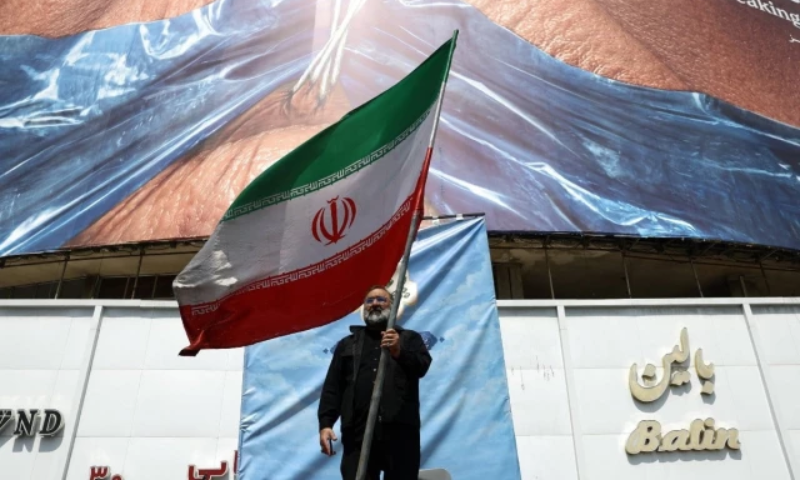
Tehran/Washington/Islamabad, May 3, 2026: Iran’s Islamic Revolutionary Guard Corps (IRGC) warned on Sunday that US President Donald Trump must choose between what it described as an “impossible military operation” or a “bad deal” with Iran, amid escalating tensions over the Strait of Hormuz and stalled diplomatic efforts.
In a statement posted on X by the IRGC’s intelligence department, Iranian officials said Tehran had issued a deadline to the United States to end its naval blockade of Iranian ports, while claiming that European countries, China and Russia were increasingly critical of Washington’s actions.
“There is only one way to read this: Trump must choose between an impossible military operation or a bad deal with the Islamic Republic of Iran,” the statement said, adding that the “room for US decision-making has narrowed.”
The conflict began on February 28 when the United States and Israel launched strikes on Iran, triggering retaliatory attacks by Tehran against Israeli targets and US allies in the Gulf region, as well as the closure of the Strait of Hormuz.
Since April 13, Washington has enforced a naval blockade targeting Iranian maritime traffic in the strategic waterway, through which nearly one-fifth of global oil and gas supplies normally pass.
A Pakistan-mediated two-week ceasefire was announced on April 8 and followed by direct talks in Islamabad on April 11, but negotiations failed to produce a permanent settlement. The ceasefire was later extended indefinitely by Donald Trump following a request from Pakistan.
Speaking to reporters before departing for Miami on Saturday, Trump said he had been briefed on the “concept” of a new Iranian proposal but was awaiting the exact wording.
“They told me about the concept of the deal. They’re going to give me the exact wording now,” he said, while warning that renewed military strikes remained possible if Iran “misbehaves.”
“I don’t want to say that. But it’s a possibility that could happen,” he added.
Trump also sparked controversy by describing the US Navy’s enforcement operations in the Gulf as acting “like pirates” after American forces seized an oil shipment linked to Iran.
“We took over the ship, we took over the cargo, we took over the oil. It’s a very profitable business,” he said.
Meanwhile, senior Iranian military officials warned that further confrontation with the United States remained possible.
Brigadier General Mohammad Jafar Asadi, spokesperson for Iran’s military headquarters, said Tehran no longer trusted Washington’s commitments.
“Evidence has shown that the United States is not committed to any promises or agreements,” he said, adding that “surprise measures” were being prepared against adversaries.
Iranian media reported that Tehran had submitted a 14-point proposal to mediator Pakistan, outlining conditions for ending hostilities. The proposal reportedly includes reopening the Strait of Hormuz, lifting the US blockade, releasing frozen Iranian assets, easing sanctions, and guarantees against future attacks by the United States or Israel.
Under the proposal, talks on Iran’s nuclear programme would be postponed to a later stage, with future negotiations focusing on sanctions relief and recognition of Iran’s right to enrich uranium for peaceful purposes.
Iranian Ambassador to Pakistan Reza Amiri Moghadam said on Sunday that Islamabad continued to play a central mediation role between Tehran and Washington.
“Pakistan remains a mediator, and no decision has been made to alter this,” the envoy said in an interview with Iranian media, describing Islamabad’s diplomatic efforts as “valuable” and crucial to the current negotiations.
He said Tehran remained committed to diplomacy but insisted that meaningful progress depended on a change in Washington’s approach.
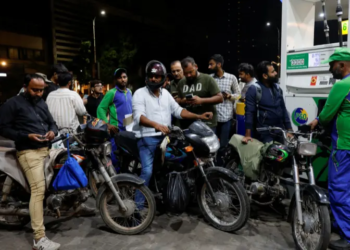
The prolonged conflict has severely disrupted global energy markets and international trade, with the continued closure of the Strait of Hormuz contributing to rising oil prices and fears of a wider global economic slowdown.
Despite the temporary suspension of bombing campaigns four weeks ago, diplomatic efforts have yet to produce a comprehensive agreement to end the conflict, which has already claimed thousands of lives and intensified instability across the Middle East.