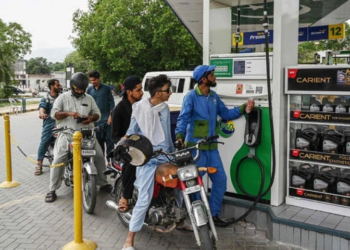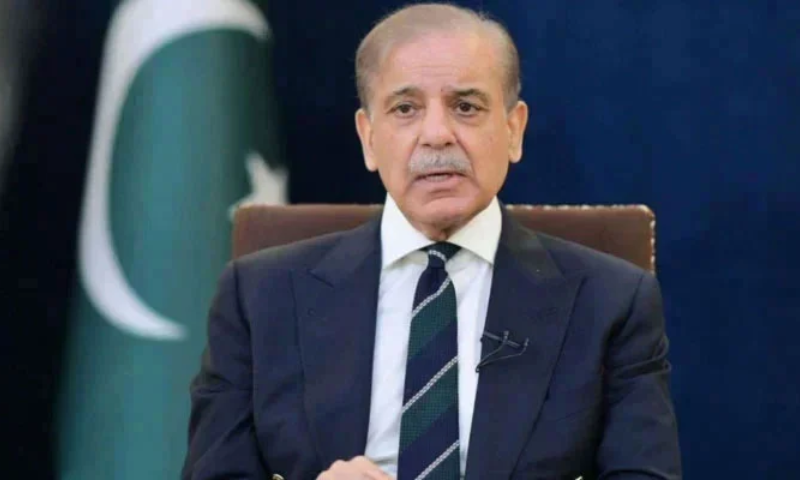
Islamabad, April 29, 2026: Prime Minister Shehbaz Sharif on Wednesday revealed that Pakistan’s weekly oil import bill has surged to $800 million, citing the ongoing global energy crisis triggered by escalating tensions in the Middle East.
The sharp rise in fuel costs comes as global oil prices have spiked over the past two months, largely due to disruptions in shipping through the strategically vital Strait of Hormuz. The disruption followed joint military strikes by the United States and Israel on Iran on February 28, significantly impacting global supply chains.
Addressing a federal cabinet meeting, the prime minister acknowledged the efforts of Petroleum Minister Ali Pervaiz Malik in managing the fuel crisis, noting that the situation had now become “satisfactory” despite earlier challenges.
Highlighting the scale of the increase, PM Shehbaz said Pakistan’s weekly oil bill had risen from approximately $300 million before the conflict to $800 million at present. He added that domestic fuel consumption had declined in recent weeks, while the government continues to closely monitor the situation.
The premier also informed the cabinet that consultations were underway with provincial governments to expand fuel subsidies and cushion the impact on consumers.
Reflecting on the broader economic outlook, the prime minister noted that Pakistan had been making steady macroeconomic progress prior to the conflict but acknowledged that the war had set back two years of economic efforts. Despite these challenges, he said the country’s foreign exchange reserves had remained stable, even after repayments including a $3.45 billion deposit to the United Arab Emirates.
He also expressed appreciation to the leadership of Saudi Arabia for extending financial support, including a recent $3 billion deposit and the rollover of an existing $5 billion facility for an additional three years.
On the diplomatic front, PM Shehbaz briefed the cabinet on Pakistan’s engagement efforts in the ongoing US-Iran conflict, recalling the first round of Islamabad Talks held on April 11–12. He commended Chief of Army Staff Asim Munir and Deputy Prime Minister and Foreign Minister Ishaq Dar for their role in regional peace efforts.
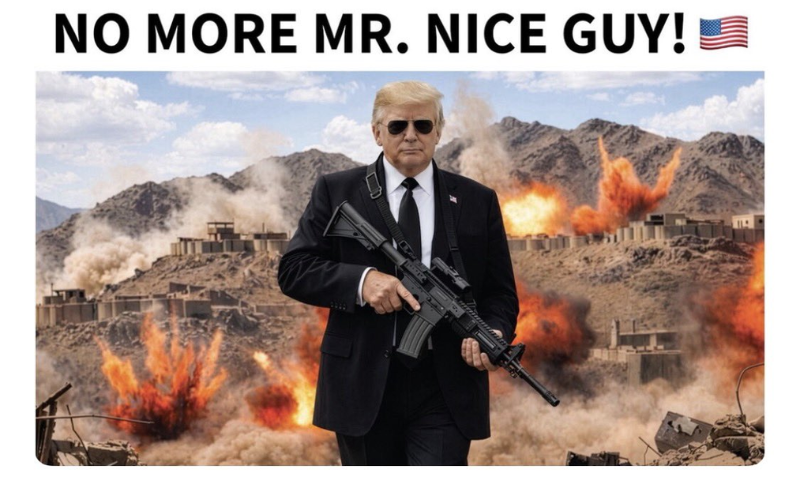
The prime minister also referenced the ceasefire extension announced on April 21 by US President Donald Trump, describing it as a positive development.
He further highlighted recent diplomatic engagements with Iranian Foreign Minister Abbas Araghchi, who made two brief visits to Pakistan and held meetings with both the civilian and military leadership to discuss the evolving regional situation.
Interior Minister Mohsin Naqvi was also acknowledged for his participation in the high-level consultations.