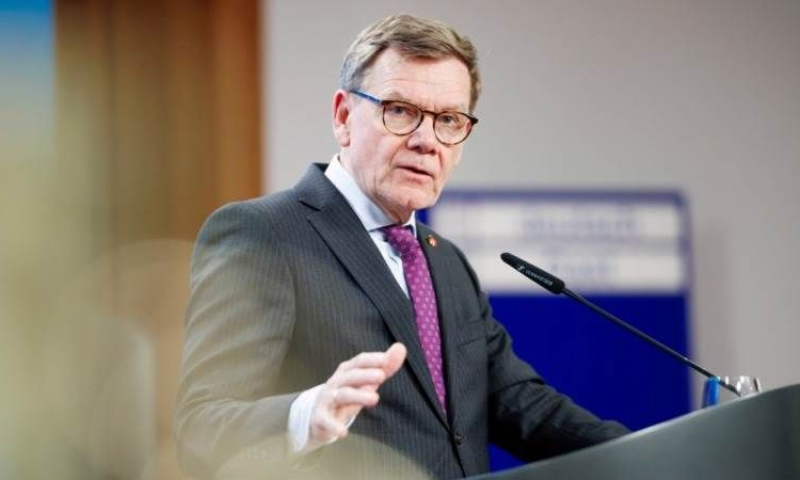
Tehran, March 27, 2026: The United States and Iran have held indirect contacts and are now preparing for direct talks, potentially to be hosted in Pakistan, according to Johann Wadephul.
Speaking to German radio, Wadephul said preparations for a face-to-face meeting between representatives of both sides were underway and could take place “very soon” in Pakistan, signaling a possible diplomatic opening amid escalating tensions in the Middle East.
Separately, Volodymyr Zelenskyy announced that Ukraine and Saudi Arabia have reached a defence cooperation agreement between their respective ministries.
Zelenskyy said the agreement would pave the way for future contracts, technological collaboration, and investment, though further details were not disclosed. He also noted that Ukrainian drone warfare experts are assisting several Middle Eastern and Gulf countries in countering aerial threats, drawing on experience from the war with Russia.
The Ukrainian president is also expected to meet Mohammed bin Salman during his visit.
Meanwhile, European powers have raised concerns over alleged Russian support to Iran, particularly in targeting US forces in the region. The issue is expected to be discussed with Marco Rubio at a meeting of G7 foreign ministers in France.
Western officials have claimed that Moscow has provided satellite imagery and technical assistance to Tehran, including support in upgrading drone capabilities. Yvette Cooper expressed concern over longstanding defence cooperation between the two countries.
Tensions around the Strait of Hormuz continue to intensify, with Iran effectively blocking the vital waterway, which carries nearly 20 percent of global oil and gas supplies.
The United Arab Emirates has reportedly offered to join a multinational maritime force aimed at reopening the strait, while also pushing for the creation of a “Hormuz Security Force” in coordination with Western allies.
However, Iran’s Islamic Revolutionary Guard Corps has warned that any shipping linked to US or Israeli allies would face “harsh measures,” declaring transit through the strait effectively prohibited.
Efforts are also underway at the United Nations Security Council, where draft resolutions — including one backed by Bahrain — seek authorization for measures to protect commercial shipping. However, potential opposition from Russia and China could complicate consensus.
In the Gulf, Kuwait reported drone strikes on Shuwaikh port, causing material damage but no casualties. Saudi Arabia confirmed intercepting two drones in its Eastern Province, while Bahrain said it had shot down more than 150 missiles and over 300 drones since the conflict began.
The situation in Qatar appeared to stabilize after authorities lowered a heightened security alert, stating that the threat had been neutralized.
Former Israeli Prime Minister Naftali Bennett sharply criticized current leader Benjamin Netanyahu, accusing the government of mismanaging military operations across multiple fronts, including Gaza, Lebanon, and Iran.
On the ground, reports indicated continued violence, with civilian casualties in Iran and injuries reported in the occupied West Bank. Israeli forces also issued evacuation warnings in parts of southern Lebanon amid ongoing operations.
The United Nations Security Council is set to hold closed-door consultations following a request by Russia, focusing on reported strikes on civilian infrastructure in Iran, including educational and healthcare facilities.
The fast-evolving crisis continues to heighten fears of a broader regional conflict, with global economic and security implications.