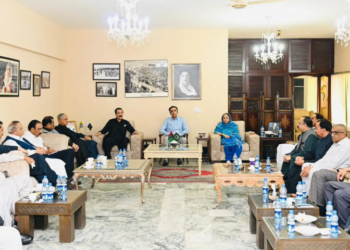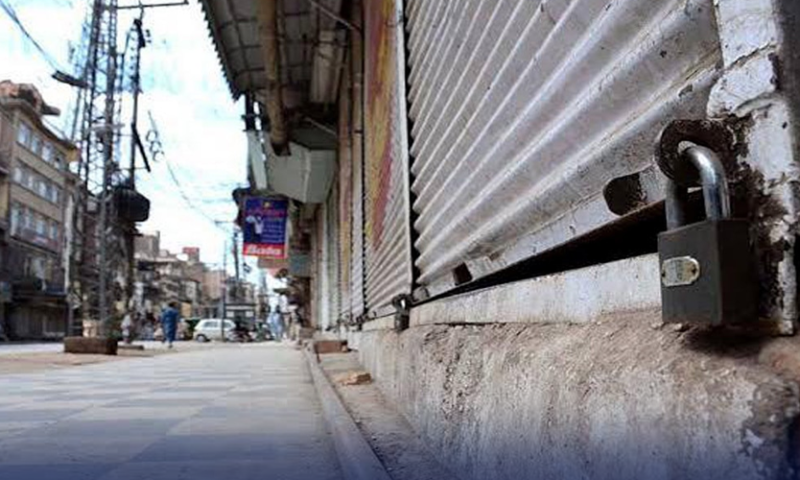
Islamabad, March 31, 2026: A proposal to impose a nationwide smart lockdown was opposed by provincial governments during a high-level meeting of national leadership chaired by President Asif Ali Zardari in Islamabad, a private news channel reported on Tuesday citing reliable sources.
According to sources, the meeting reviewed the option of enforcing smart lockdowns across the country in response to mounting economic challenges. However, provincial authorities resisted the move, expressing reservations over implementing such measures at a national level.
The discussions primarily focused on managing the economic fallout of surging global oil prices, driven by the ongoing conflict in the Middle East. Participants deliberated on a range of austerity measures aimed at balancing economic stability with the protection of livelihoods.
The forum reaffirmed its commitment to tightening austerity policies and ensuring the effective implementation of energy and fuel conservation measures. The federal government also urged provinces to share the burden of a Rs254 billion relief package, emphasizing the need for a coordinated national response.
To further examine the smart lockdown proposal, a sub-committee comprising provincial finance ministers was constituted. The committee is expected to meet to reassess recommendations and explore viable alternatives.
Sources added that the meeting underscored the importance of close coordination between the federation and provinces in navigating the evolving situation, with a focus on prudent resource management and economic resilience.
The economic strain comes amid escalating regional tensions following the conflict involving Iran, which has disrupted global energy markets. The effective closure of the Strait of Hormuz—a key route for nearly one-fifth of the world’s oil supply—has triggered a sharp surge in crude prices, significantly impacting import-dependent economies like Pakistan.
As global energy prices continue to rise, policymakers face increasing pressure to adopt measures that can mitigate economic shocks while maintaining stability across the country.