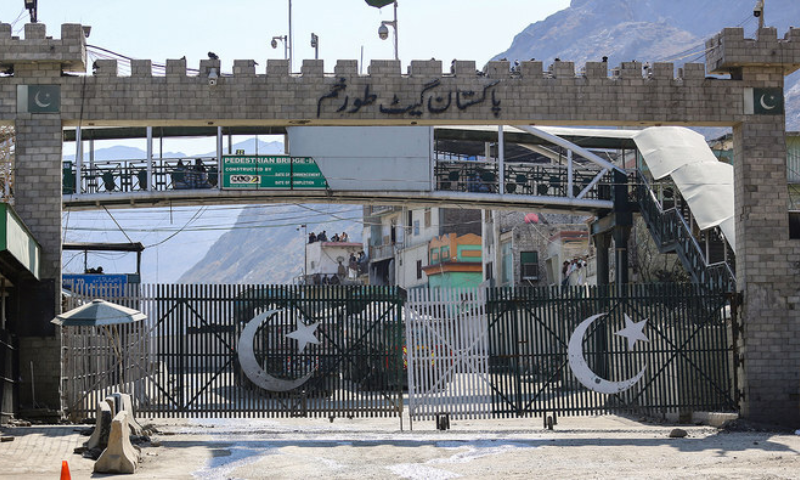
Peshawar, April 1, 2026: The repatriation of Afghan nationals through the Torkham Border Crossing resumed on Wednesday after nearly a month-long suspension caused by heightened tensions between Pakistan and Afghanistan.
The border crossing, located in Khyber District, had remained closed since February 26, disrupting the movement of people as well as bilateral trade between the two neighboring countries.
According to immigration authorities, a total of 705 individuals from 223 families were repatriated on the first day of resumed operations. This included 90 individuals from 21 families holding Afghan Citizen Cards, 294 individuals from 82 families possessing Proof of Registration (PoR) cards, and 321 individuals from 120 families residing illegally in Pakistan.
The repatriated group comprised 223 men, 127 women, and 355 children. Officials confirmed that all individuals underwent complete immigration and security clearance procedures before being sent back to Afghanistan.
The reopening follows successful negotiations between Pakistani and Afghan authorities, allowing for the phased resumption of cross-border movement. Officials told media that the repatriation process will continue in a structured and orderly manner to minimize security risks and ensure proper documentation.
Despite the partial reopening for human movement, bilateral trade—suspended since October 12, 2025—remains halted, with further talks expected to restore commercial activity.
The repatriation drive is part of Pakistan’s nationwide crackdown on illegal foreign nationals launched in 2023, under which thousands of undocumented Afghan migrants have been deported.
Recent tensions between the two countries escalated following a series of attacks attributed to the Tehreek-e-Taliban Pakistan (TTP). Islamabad has accused Kabul of providing safe havens to militants, an allegation the Afghan authorities have denied.
The situation further intensified after Pakistani airstrikes targeted alleged TTP hideouts inside Afghanistan. While Pakistani officials claimed the strikes eliminated hundreds of militants, Afghan authorities reported civilian casualties.
A temporary easing of tensions came with a week-long ceasefire agreed upon ahead of Eid al-Fitr on March 18, facilitated by diplomatic efforts from Türkiye, Saudi Arabia, and Qatar.
Pakistan and Afghanistan share 18 border crossings, with Torkham and Chaman Border Crossing among the busiest routes for both travel and trade.