By Awais Lateef
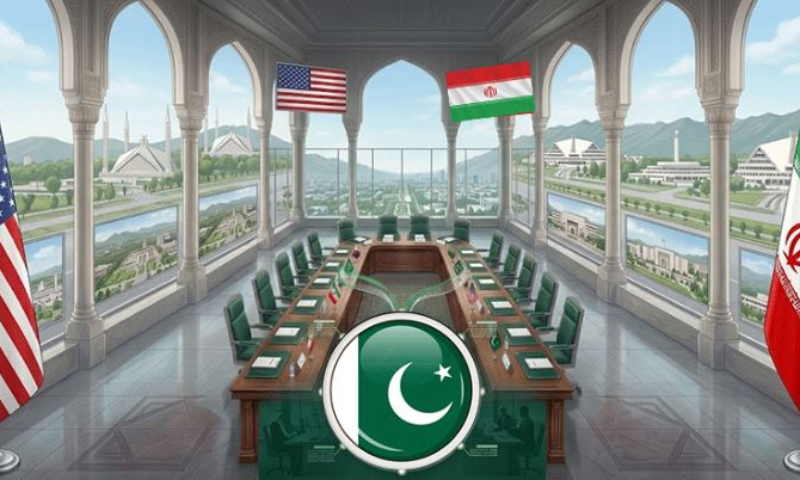
Islamabad, April 9, 2026: Pakistan’s capital is making headlines as successful diplomacy has temporarily postponed a potential conflict between Iran and the United States for two weeks. Islamabad is now preparing to host the next phase of negotiations, attracting global attention. Here’s a look at the ongoing activities, high-level engagements, and extensive security measures in the federal capital.
Closed-door meetings shape diplomatic strategy
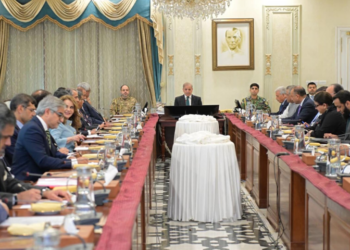
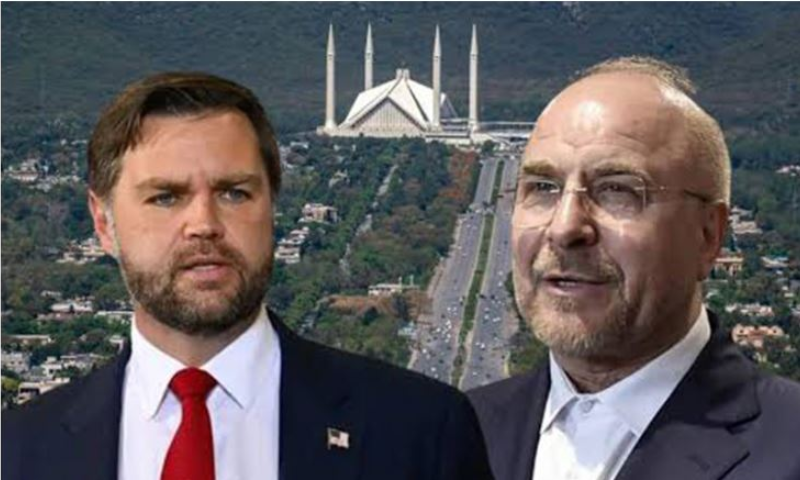
Although Iranian and U.S. diplomatic teams are expected to arrive tonight and tomorrow, Pakistan’s preparations are in the final stages. On Thursday, Prime Minister Muhammad Shehbaz Sharif conducted an extremely busy day, presiding over senior government meetings while remaining in constant contact with global leaders.
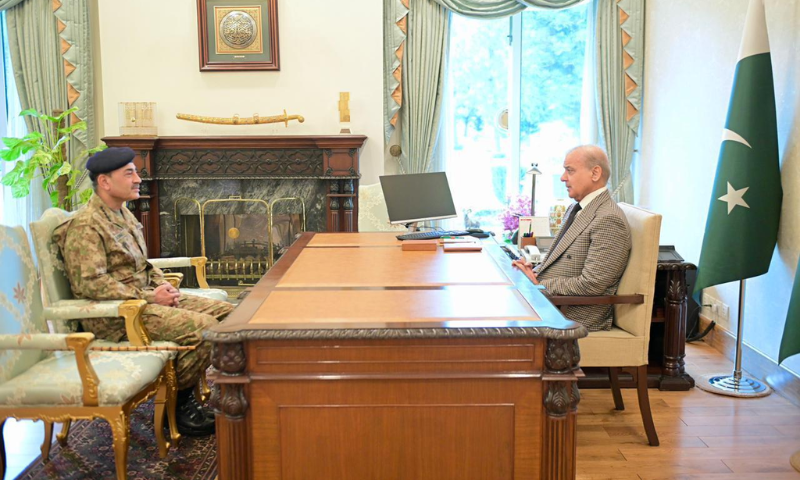
A high-level review meeting on the negotiation process was held under the Prime Minister’s chairmanship, including separate consultations with Field Marshal Syed Asim Munir. Military leadership also attended the session, and detailed briefings were shared on Islamabad’s role as the host of the peace talks. Sources confirmed that Deputy Prime Minister and Foreign Minister Ishaq Dar, Interior Minister Mohsin Naqvi, Defence Minister Khawaja Asif, and Foreign Secretary were present. Officials emphasized that Pakistan’s constructive role in the ceasefire has been widely recognized internationally, with special commendation for Field Marshal Asim Munir’s pivotal contributions.
Prime Minister engages global leaders
Throughout Thursday, the Prime Minister held phone discussions with French President Emmanuel Macron, the President of Lebanon, Bahrain’s King Hamad bin Isa Al Khalifa, and other world leaders. The conversations reviewed Pakistan’s diplomatic efforts in detail.
King Hamad praised Pakistan’s successful mediation between Iran and the U.S., noting that the ceasefire prospects have brightened regional peace opportunities. President Macron congratulated Pakistan on bringing the two sides to the negotiating table and extended his best wishes for the success of the talks in Islamabad. Prime Minister Sharif reaffirmed Pakistan’s commitment to regional peace and stability. Both leaders expressed deep concern over the ongoing aggression in Lebanon and stressed the urgent need to end violence and restore peace across the region.
The Prime Minister also spoke with Lebanese Prime Minister Nawaf Salam, condemning Israel’s ongoing military actions in Lebanon and expressing sorrow over the loss of thousands of lives. Prime Minister Salam thanked Pakistan for hosting the negotiations and requested continued support to immediately halt attacks on Lebanon and its citizens.

Tight security measures across Islamabad
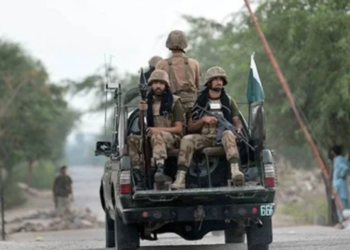
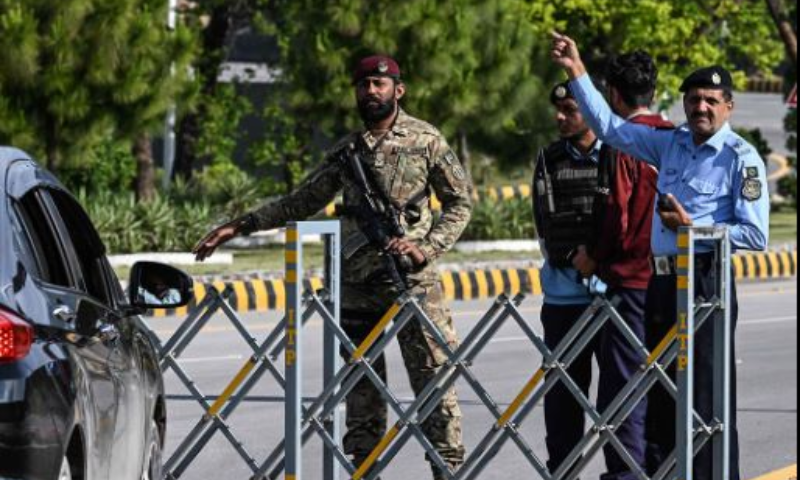
Local authorities have implemented extensive security measures to ensure the safety of the high-level diplomatic activities. A two-day public holiday has been declared to limit movement, metro and bus services between twin cities are restricted, and aerial surveillance is ongoing. Entry and exit points to Islamabad, as well as key transit hubs, are under strict monitoring.
A joint security framework involving police, Rangers, the Counter-Terrorism Department (CTD), and intelligence agencies is operational, with large-scale search and combing operations conducted in areas including Sabzi Mandi, Faizabad, Tarnol, Shehzad Town, and Karachi Company. Law enforcement agencies in Rawalpindi and neighboring districts, including Taxila, Murree, Jhelum, and Attock, have also carried out comprehensive security operations. Nur Khan Airbase and adjacent areas are on high alert, and additional personnel have been deployed across sensitive installations and residential areas to ensure optimal safety during international delegations’ visits.
Accommodation for international guests
International delegates will be hosted in two private five-star hotels in Islamabad, with security fully controlled by federal agencies. Roads leading to the hotels have been closed, container barriers placed, and designated traffic routes established. Interior Minister Mohsin Naqvi is personally overseeing all arrangements. On Thursday, the Acting U.S. Ambassador also met with the Interior Minister to review security and other logistics.
Dar maintains global coordination
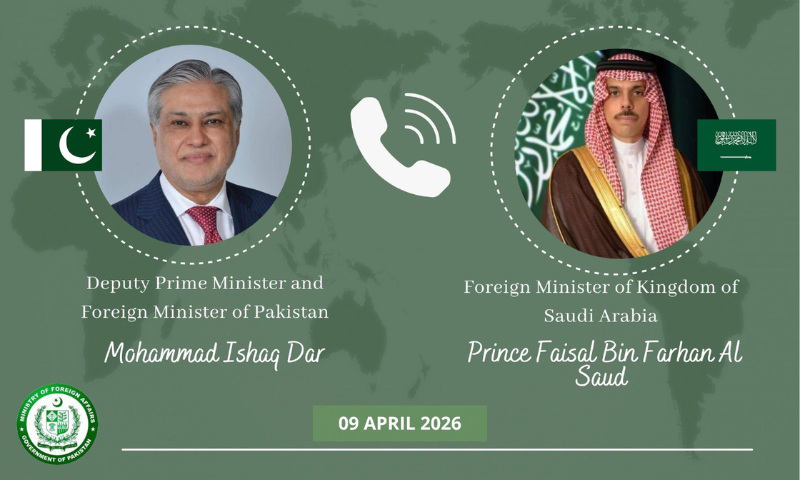
Deputy Prime Minister and Foreign Minister Ishaq Dar continued diplomatic coordination, engaging with international leaders from South Africa, Azerbaijan, Uzbekistan, and Saudi Arabia. Discussions focused on the ceasefire, regional developments, and broader Middle East stability. Officials noted appreciation from foreign counterparts for Pakistan’s proactive role in achieving the two-week ceasefire, emphasizing the country’s commitment to lasting peace and regional stability.