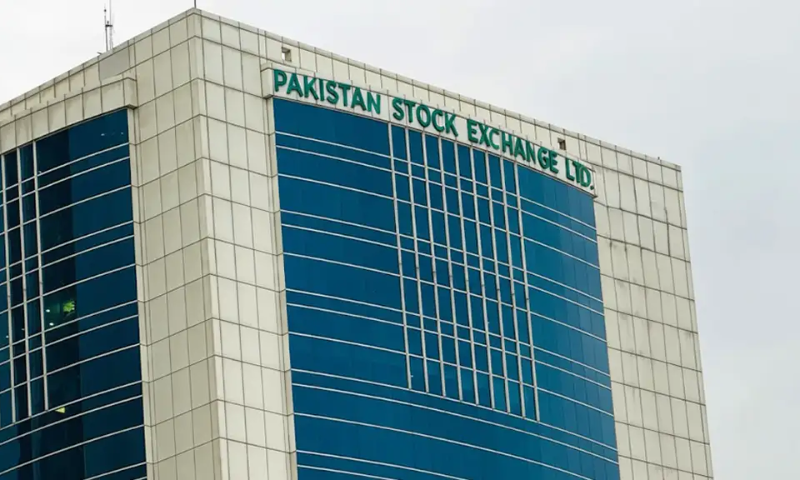
Karachi, April 13, 2026: The Pakistan Stock Exchange (PSX) came under heavy selling pressure on Monday as investor sentiment weakened following the lack of a breakthrough in the recent US–Iran negotiations, while renewed tensions over the Strait of Hormuz pushed global oil prices back above the $100-per-barrel mark.
The benchmark KSE-100 Index closed at 160,591.33 points, marking a sharp decline of 6,600.04 points (3.95%) from the previous session’s close of 167,191.37.
During intraday trading, the index fluctuated between a high of 163,612.11 and a low of 160,158.92, reflecting heightened volatility and sustained selling pressure across key sectors.
Market analysts linked the downturn to uncertainty following the inconclusive outcome of the Islamabad Talks 2026, which failed to secure a long-term agreement between the United States and Iran.
Independent analyst AAH Soomro noted that investor disappointment over the absence of a durable ceasefire, combined with heightened geopolitical risks, triggered a broad-based sell-off in equities.
He added that concerns intensified after renewed statements regarding restrictions on maritime traffic through the Strait of Hormuz, contributing to a sharp rise in global oil prices by $6–$7 per barrel.
Global crude prices surged back above $100 per barrel following reports of tightening pressure on Iranian maritime activity and fears of supply disruptions in the energy corridor.
U.S. President Donald Trump reportedly indicated that naval measures would be enforced to restrict maritime traffic linked to Iranian ports, further raising concerns about global supply chains.
In the previous trading session, the KSE-100 had posted gains of 1.01%, closing at 167,191.37, supported by temporary optimism around diplomatic engagement. However, Monday’s reversal erased those gains as risk-off sentiment returned.
The KSE-30 Index also saw upward movement in the prior session before broader market weakness set in amid escalating external pressures.
Market experts warned that volatility is likely to persist in the short term, with investor sentiment closely tied to developments in global energy markets and geopolitical negotiations. Until clearer signals emerge on the diplomatic front and energy stability improves, equities are expected to remain under pressure.