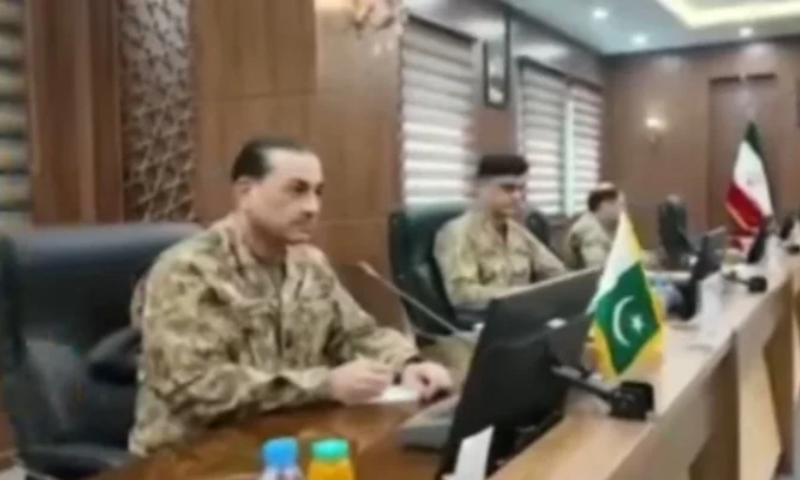
Tehran, April 16, 2026: Chief of Army Staff and Chief of Defence Forces Field Marshal Asim Munir arrived at the Khatam al-Anbiya Central Headquarters in Tehran on Thursday, where he held high-level discussions with senior Iranian military leadership, according to Iranian media reports.
The visit is part of Pakistan’s ongoing diplomatic and security engagement aimed at consolidating the fragile two-week ceasefire between Iran and the United States into a more durable peace framework.
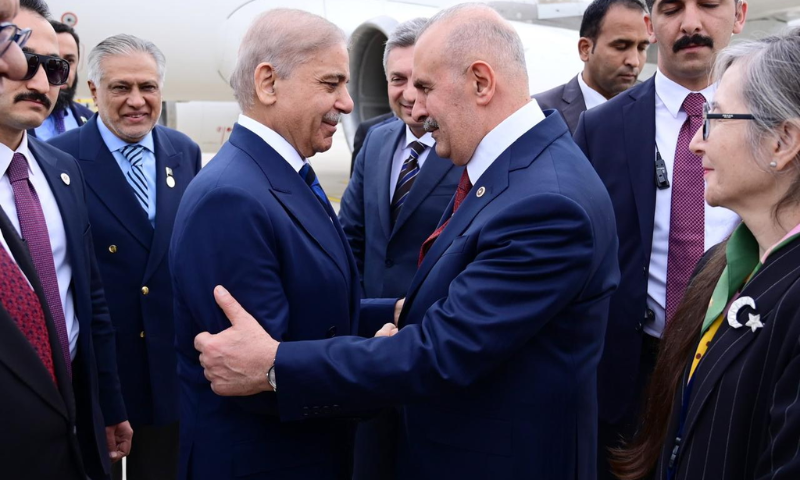
Field Marshal Munir, accompanied by Interior Minister Mohsin Naqvi and a senior delegation, arrived in Tehran on Wednesday and was received by Iranian Foreign Minister Abbas Araghchi.
During his visit, the Pakistani military chief also held separate meetings with Iran’s Parliament Speaker Mohammad Bagher Ghalibaf and Foreign Minister Araghchi. Both Iranian leaders had earlier participated in direct talks with a US delegation in Islamabad, reflecting continued trilateral diplomatic engagement facilitated by Pakistan.
Pakistan hosted a round of US–Iran discussions in Islamabad on April 11 following the announcement of a two-week ceasefire on April 8, brokered with Islamabad’s mediation. Officials say subsequent exchanges have continued through diplomatic channels, with Tehran and Washington exploring pathways toward a broader agreement.
A senior Iranian official said the Tehran visit helped reduce differences on several key issues, raising cautious optimism about extending the ceasefire and resuming structured negotiations.
US President Donald Trump has publicly acknowledged Field Marshal Munir’s role in facilitating dialogue, describing him as a key figure in ongoing diplomatic efforts.
In remarks to The New York Post, Trump praised the Pakistani military leadership’s engagement, saying there is increased likelihood of renewed talks through Pakistan’s facilitation channel.
Field Marshal Munir has been at the centre of recent diplomatic activity, including last weekend’s Islamabad negotiations, where he personally received delegations from both sides, underscoring Pakistan’s active mediating role in the evolving crisis.
While significant gaps remain between Washington and Tehran, particularly on long-term security guarantees and nuclear-related issues, diplomatic momentum continues to build.
Observers note that Pakistan’s sustained engagement—combining political and military diplomacy—has emerged as a key channel keeping communication lines open at a critical juncture in the regional crisis.