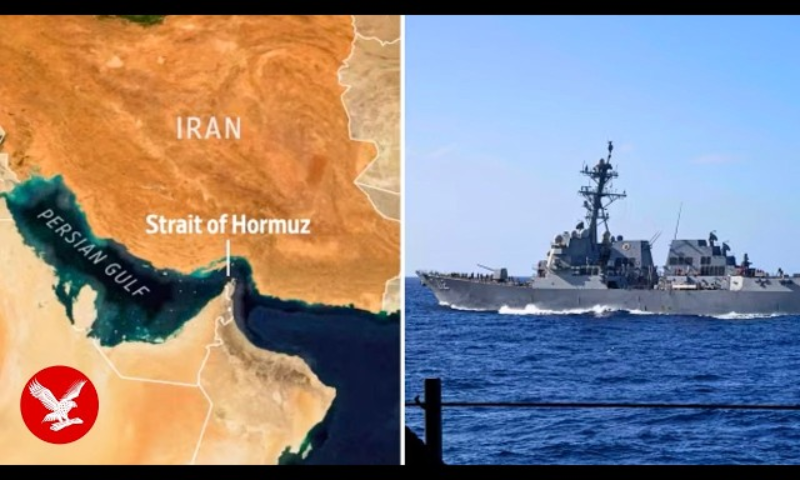
Islamabad / Tehran / Washington, April 17,2026: The strategic Strait of Hormuz has been declared “completely open” for commercial shipping during the remaining period of the ongoing Iran–US ceasefire, in a significant development that signals tentative de-escalation in a conflict that has rattled global energy markets and destabilised the Middle East.
Iranian Foreign Minister Abbas Araghchi announced the decision in a statement, saying that, in coordination with Iran’s Ports and Maritime Organisation, safe passage for all commercial vessels would resume along designated routes for the duration of the truce. The move comes after weeks of severe disruption to maritime traffic through the waterway, widely regarded as the world’s most critical oil transit chokepoint.
The reopening follows a period of intense hostilities triggered by a US-Israeli military campaign against Iran that began on February 28, prompting Tehran to effectively shut down the strait. The United States had earlier escalated tensions further by announcing a naval blockade of the passage, though there has been no immediate official response from Washington to Iran’s latest declaration.
Ceasefire holds, but deadline looms
The fragile two-week ceasefire between Iran and the United States is set to expire on April 22, raising urgency around ongoing diplomatic efforts to prevent a renewed escalation. US President Donald Trump expressed optimism that a broader agreement could be imminent, suggesting that a deal might even be formalised in Islamabad.
“We’re very close to making a deal with Iran,” Trump told reporters, adding that Tehran appeared willing to reach an understanding and that a ceasefire extension might not be necessary.
However, Iranian officials have struck a more cautious tone. Sources familiar with the negotiations indicated that key gaps remain unresolved, particularly over Tehran’s nuclear programme and sanctions relief.
Islamabad at the centre of diplomacy
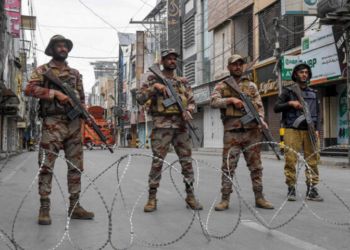
Pakistan’s capital, Islamabad, has emerged as a crucial venue for backchannel diplomacy between Washington and Tehran. Following last weekend’s talks, security in the city has been visibly heightened, with troops deployed along major routes, although daily life continues uninterrupted.
A Pakistani source involved in mediation efforts revealed that progress had been made in behind-the-scenes negotiations, with both sides agreeing “in principle” on several aspects. The source indicated that an upcoming round of talks could yield a memorandum of understanding, potentially paving the way for a comprehensive agreement within 60 days.
Pakistan has also emphasised that parallel ceasefire arrangements in Lebanon are essential for a broader regional settlement.
Nuclear dispute remains key sticking point
At the heart of the negotiations lies Iran’s nuclear programme. The United States has proposed a 20-year suspension of Iran’s nuclear activities, while Tehran has countered with a shorter three-to-five-year halt.
Washington is also pushing for the removal of Iran’s highly enriched uranium (HEU) stockpile, a demand that remains contentious. While some Iranian sources suggest a potential compromise—possibly involving partial relocation of the stockpile—Iranian state media has firmly denied claims that any agreement has been reached on transferring nuclear material abroad.
Trump’s assertion that Iran had agreed to “give us back the nuclear dust” was swiftly dismissed by Tehran, underscoring persistent mistrust between the two sides.
Global stakes: oil, economy, and security
The Strait of Hormuz, through which roughly one-fifth of the world’s oil and liquefied natural gas flows, had seen traffic plummet dramatically since the onset of the conflict—from over 130 vessels daily to just a trickle. Its partial reopening has already helped stabilise global markets, with oil prices remaining below $100 per barrel and equities hovering near record highs.
The International Monetary Fund has warned that a prolonged conflict could push the global economy toward recession, recently downgrading its growth forecasts in light of the crisis.
Meanwhile, European powers, including France and United Kingdom, are leading a coalition of around 40 nations to support the restoration of freedom of navigation in the strait—though they have emphasised that such efforts depend on a sustained ceasefire.
Lebanon ceasefire adds fragile stability
In parallel, a US-backed ceasefire between Israel and Hezbollah in Lebanon appears to be largely holding, despite reports of sporadic violations. The truce has allowed some displaced residents to begin returning to their homes, though many areas—particularly in southern Lebanon—remain heavily damaged.
The conflict in Lebanon reignited on March 2, when Hezbollah launched attacks on northern Israel in support of Iran, triggering a significant Israeli military response that has reportedly killed around 2,000 people.