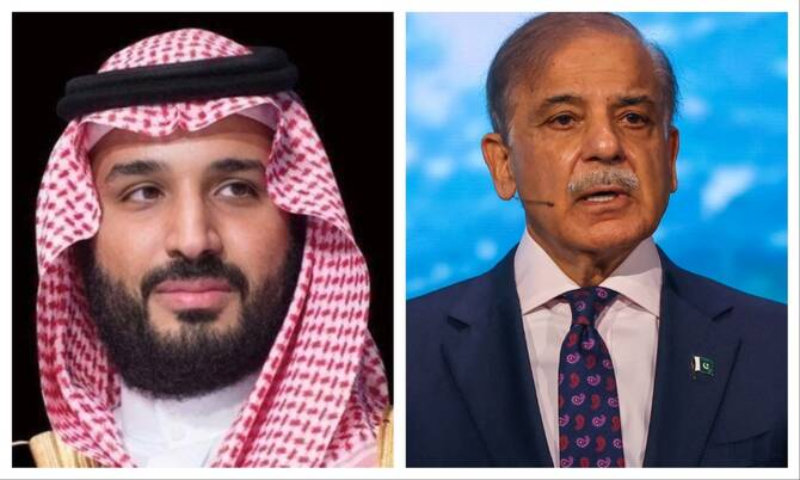
Islamabad, June 19,2026: Prime Minister Muhammad Shehbaz Sharif on Thursday held a telephone conversation with Saudi Crown Prince Mohammed bin Salman bin Abdulaziz Al Saud, during which both leaders exchanged views on regional developments and Pakistan–Saudi Arabia relations following the signing of what was described as the “Islamabad Peace Deal.”
According to an official statement, the Prime Minister congratulated the Saudi Crown Prince on the landmark agreement and expressed Pakistan’s deep appreciation for Riyadh’s “steadfast and consistent support” in advancing peace efforts. He also paid tribute to the Crown Prince for his leadership during what he termed a critical phase in regional diplomacy.
Shehbaz Sharif noted that the agreement between Iran and the United States was made possible through the support of the Kingdom of Saudi Arabia and other Gulf partners, helping facilitate progress within a relatively short period.
Crown Prince Mohammed bin Salman, in response, congratulated the Prime Minister and praised the efforts of Pakistan’s leadership and Field Marshal Syed Asim Munir for their role in supporting the diplomatic breakthrough.
Both leaders agreed on the importance of ensuring that the next phase of Iran–U.S. engagement proceeds smoothly and that outstanding issues are resolved through sustained dialogue and diplomacy. They also emphasized the need for continued vigilance against any attempts to undermine the negotiation process.
Reaffirming the strength of Pakistan–Saudi Arabia relations, the Prime Minister said both sides were prepared to finalize and sign a comprehensive economic package under the patronage of the Saudi Crown Prince. He also reiterated his invitation for an official visit by Crown Prince Mohammed bin Salman to Pakistan at a mutually convenient time.
During the call, the Prime Minister conveyed his warm regards and good wishes to Custodian of the Two Holy Mosques, King Salman bin Abdulaziz Al Saud.
The two leaders agreed to maintain close coordination in the coming days to further strengthen bilateral ties and support regional stability.