Washington, June 22, 2026: The United States on Monday authorized the temporary sale of Iranian oil, marking a significant easing of decades-old sanctions as Washington and Tehran move closer to a comprehensive peace agreement tied to nuclear transparency and maritime security commitments.
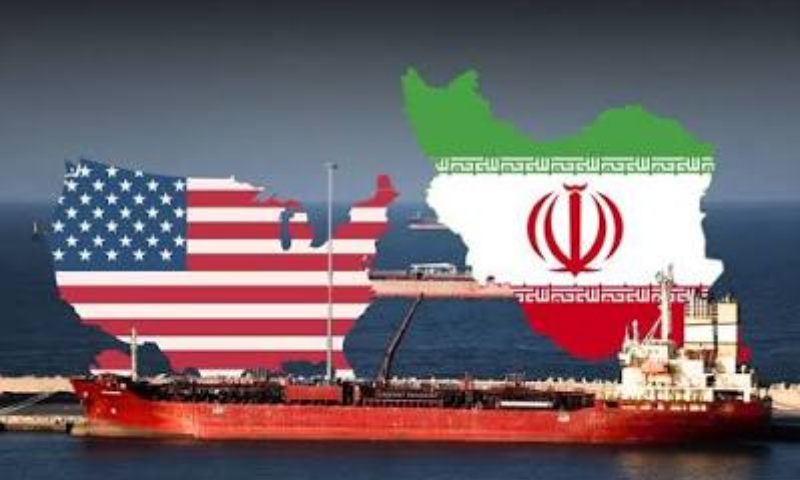
The US Treasury Department announced a 60-day general licence permitting the production, delivery, and sale of Iranian crude oil, petroleum products, and petrochemicals through August 21. The measure forms part of a broader diplomatic framework emerging from ongoing negotiations between the two countries.
Under the licence, Iranian-origin oil may be imported into the United States when necessary to facilitate its sale, delivery, or offloading. It is the most significant relaxation of US restrictions on Iranian oil exports in decades, as Washington has largely barred such imports since sanctions were first imposed following Iran’s 1979 Islamic Revolution.
US Treasury Secretary Scott Bessent said the decision was tied to commitments made by Tehran during ongoing diplomatic talks in Switzerland.
“In line with the ongoing productive talks in Switzerland, Iran has committed to free and open transit in the Strait of Hormuz and to permit International Atomic Energy Agency (IAEA) inspectors into the country,” Bessent said in a statement posted on social media.
“As part of this framework, Treasury has issued a temporary 60-day general licence authorising the production, delivery and sale of Iranian oil,” he added.
The easing of restrictions follows the signing of a memorandum of understanding (MoU) between Washington and Tehran last week. Under the agreement, the United States committed to granting waivers covering Iranian crude oil exports, petroleum products, derivatives, and related services, including banking transactions, shipping, and insurance.
The licence also permits payments to Iran in US dollar-denominated funds, representing a major shift in longstanding sanctions policy.
However, entities and territories subject to separate US sanctions regimes, including Cuba, North Korea, and Crimea, remain excluded from the authorization.
The United States first imposed sanctions on Iran in 1979 after Iranian revolutionary students seized the US Embassy in Tehran and held American diplomats hostage. Additional sanctions were introduced over subsequent decades in response to Iran’s nuclear programme and its support for groups designated by Washington as terrorist organisations.
Before the reimposition of US sanctions in 2018, major importers of Iranian crude included India, South Korea, Japan, Italy, Greece, Taiwan, and Türkiye. In recent years, independent Chinese refiners have remained among the principal buyers of Iranian oil, often benefiting from discounted prices due to restrictions on broader international trade.
The sanctions relief announcement comes as mediators reported “encouraging progress” in the first round of high-level talks aimed at securing a final peace agreement between the United States and Iran.
The negotiations are being conducted under the framework established by the memorandum signed last week and are intended to transform the fragile ceasefire reached in April into a more durable arrangement.
Diplomatic sources said the talks have focused on maritime security, regional stability, nuclear inspections, and mechanisms to prevent future escalation.
One of the key elements of the emerging agreement is Iran’s commitment to maintaining uninterrupted navigation through the Strait of Hormuz, one of the world’s most strategically important energy corridors.
Global oil markets have responded favourably to the diplomatic progress. Energy prices had surged earlier this year after tensions escalated in the Gulf and shipping disruptions affected traffic through the Strait of Hormuz.
However, following the ceasefire agreement and renewed diplomatic engagement, oil prices have fallen significantly and are now trading at their lowest levels since before the conflict began on February 28.
Analysts say the temporary sanctions relief could help stabilize global energy markets further while providing a crucial confidence-building measure as negotiators work toward a comprehensive agreement in the coming weeks.
The next round of technical discussions is expected later this week, with both sides aiming to finalize key elements of a broader peace framework within the 60-day timeline established under the memorandum of understanding.