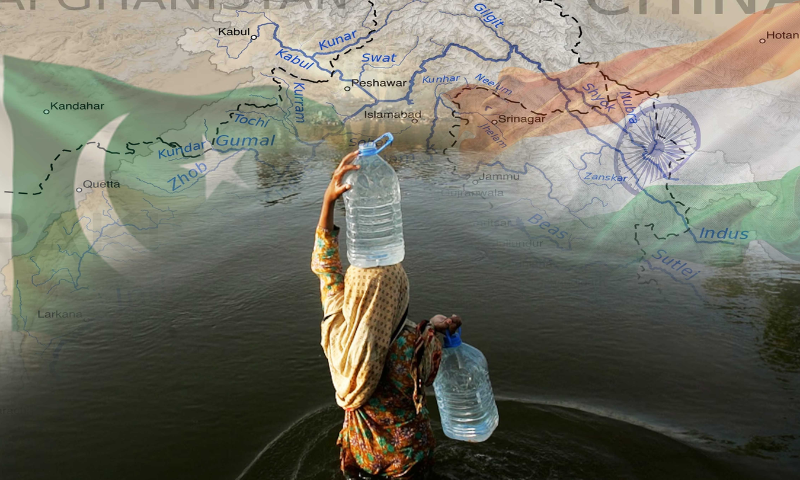
New Delhi, June 21, 2025: In a hardening of its stance against Islamabad, Indian Home Minister Amit Shah declared that India would never restore the Indus Waters Treaty with Pakistan and would instead divert the water flow for domestic use.
In an interview with the Times of India published Saturday, Shah stated, “No, it will never be restored,” referring to India’s earlier decision to suspend its participation in the 1960 treaty that governs water sharing of the Indus River system between the two countries.
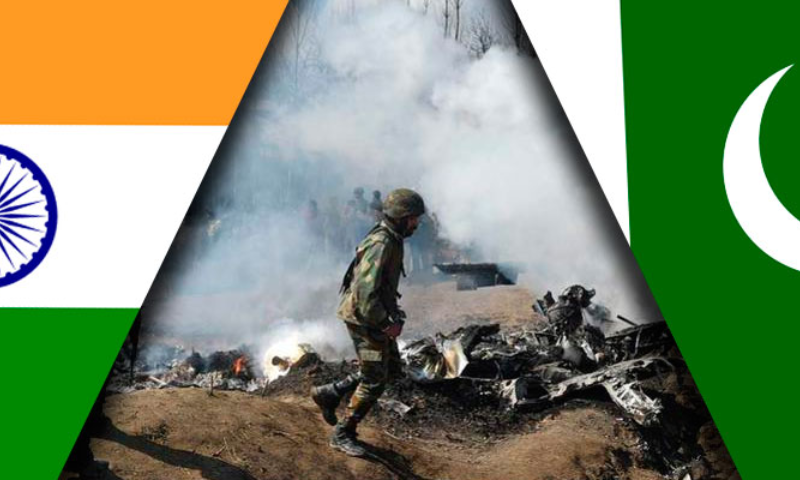
India placed the treaty in “abeyance” earlier this year after 26 civilians were killed in Indian Illegally Occupied Jammu and Kashmir (IIOJK) in an incident New Delhi described as a terrorist attack. While Pakistan has denied involvement, the treaty remains inactive despite a ceasefire reached last month following the worst military clashes between the two nuclear-armed neighbours in decades.
Shah, widely regarded as the most powerful member of Prime Minister Narendra Modi’s cabinet, said India plans to reroute the waters to Rajasthan through the construction of a new canal. “Pakistan will be starved of water that it has been getting unjustifiably,” he said.
Signed in 1960 under World Bank mediation, the Indus Waters Treaty has long been seen as a rare success in India-Pakistan relations. It guarantees Pakistan exclusive access to the waters of the Indus, Jhelum, and Chenab rivers — all of which originate in India — supporting irrigation for nearly 80% of Pakistan’s agriculture.
The latest comments from Shah significantly dim hopes for any near-term negotiations or restoration of the accord. Last month, Reuters reported that India intends to sharply increase the water it diverts from rivers that flow into Pakistan as a form of retaliatory pressure.
Islamabad has not yet officially responded to Shah’s latest remarks. However, in earlier statements, Pakistan’s foreign ministry asserted that the treaty contains no provision for unilateral withdrawal and warned that any attempt to block river waters flowing into Pakistan would be considered “an act of war.”
Pakistan is also reported to be preparing a legal challenge under international law to contest India’s suspension of the treaty.
The development marks a further deterioration in already strained bilateral ties and raises new concerns about regional water security, especially as both countries face mounting climate stress and growing agricultural demands.