Islamabad, July 7, 2025: Pakistan Tehreek-e-Insaf (PTI) Chairman Barrister Gohar Ali Khan has declared the recently convened meeting of the FATA committee as unconstitutional, asserting that it violates the constitutional framework established after the merger of the tribal areas.
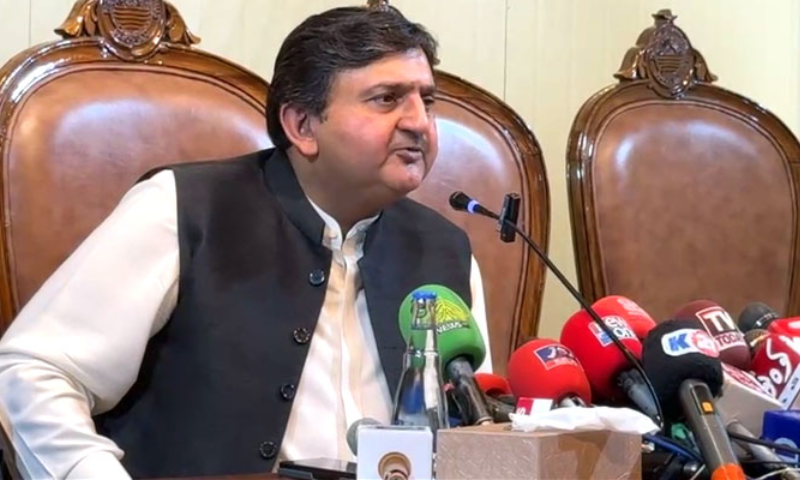
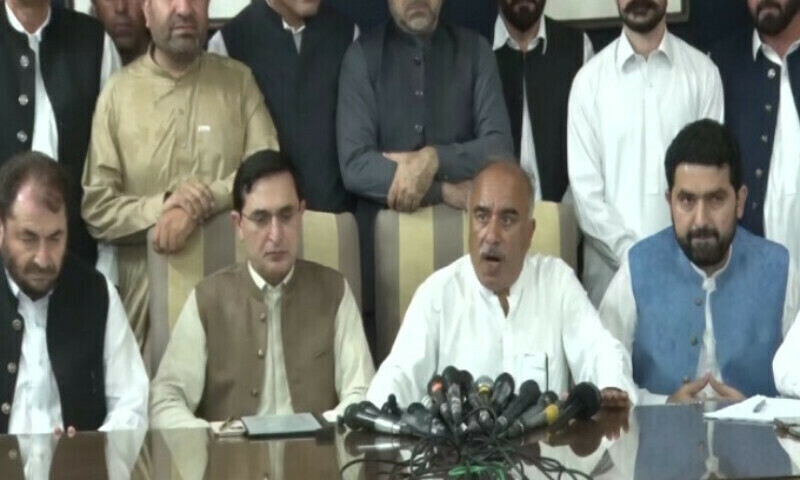
Addressing a press conference in Islamabad alongside senior party leaders, Barrister Gohar strongly criticized the federal government’s decision to form a FATA committee on June 25, stating that after the 25th Constitutional Amendment, administrative and legislative authority over the former Federally Administered Tribal Areas (FATA) now rests with the Khyber Pakhtunkhwa provincial government.
He demanded the immediate dissolution of the committee, arguing that it undermines the constitutional structure and the democratic representation of the tribal districts.
“The tribal areas have been constitutionally merged into Khyber Pakhtunkhwa. Forming a federal-level committee to discuss matters pertaining to FATA is not only unnecessary but unconstitutional,” he asserted.
Highlighting PTI’s political presence in the region, Gohar noted that 5 out of 7 MNAs and 14 out of 17 MPAs from the tribal districts belong to PTI. “Elected representatives from the area are already present and empowered—there is no justification for bypassing them through unelected platforms,” he added.
Barrister Gohar also dismissed any suggestions regarding the restoration of the Jirga system, saying that no such demand has emerged from the local populace. “All legislative and administrative decisions regarding the former FATA region must rest with the provincial government,” he emphasized.
Speaking on the occasion, senior PTI leader and former Governor Shah Farman supported Barrister Gohar’s stance, stating that the FATA merger was enacted for development, empowerment, and integration.
“Legislation was passed to ensure that the people of the tribal areas had genuine political representation and access to provincial resources. Any attempt to roll back this progress is a betrayal of that promise,” Farman said.
He acknowledged the unique cultural and tribal identity of the region, saying, “The tribes were, are, and will remain—but their constitutional rights must be respected. Instead of undermining them, the privileges and benefits allocated for the tribal areas should be enhanced.”