Islamabad, July 17, 2025: Prime Minister Shehbaz Sharif on Thursday directed federal and provincial authorities to adopt a proactive and coordinated approach to address future monsoon and cloudburst-related disasters, emphasizing the urgency of climate resilience amid intensifying weather events.
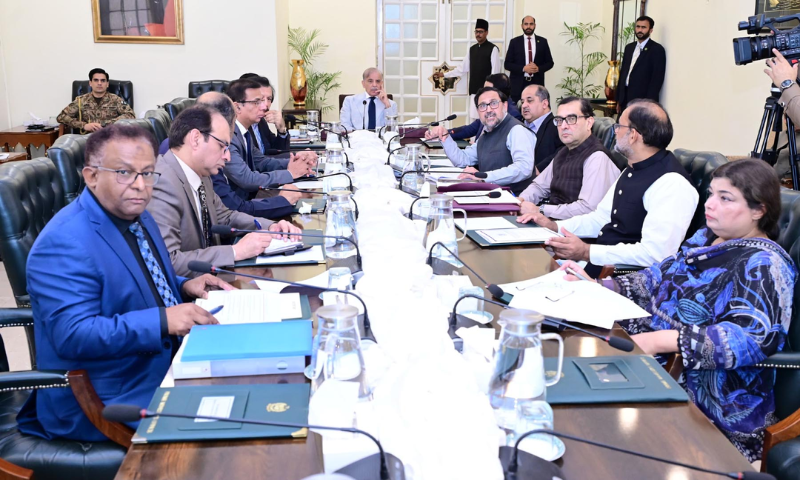
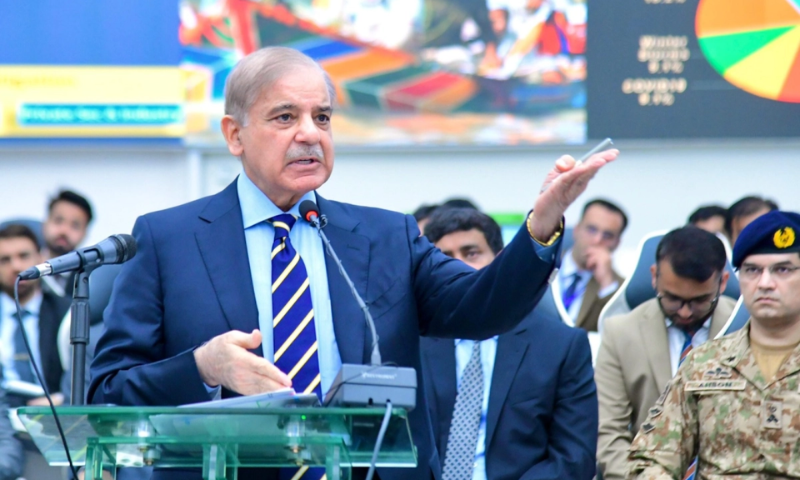
During a visit to the National Emergencies Operations Centre (NEOC) in Islamabad, the Prime Minister was briefed by the National Disaster Management Authority (NDMA) on the current monsoon situation and national response efforts. He expressed satisfaction with the improved preparedness and use of modern technology, which has helped reduce casualties during this year’s monsoon season.
“While we have handled the current challenges with greater efficiency, we must prepare for even more extreme climate events in the future,” PM Shehbaz said, pledging full federal support to the provinces.
He instructed the Ministries of Climate Change and Planning to work closely with the NDMA and provincial disaster management authorities (PDMAs) to develop a robust and forward-looking response framework. He emphasized investments in early warning systems, rescue infrastructure, human resources, and public awareness campaigns.
Highlighting recent cloudburst incidents in Chakwal, Lahore, and Rawalpindi, the Prime Minister praised the timely and effective response by provincial administrations, particularly the Punjab government under Chief Minister Maryam Nawaz. He expressed grief over the loss of lives and offered prayers for the victims, while acknowledging that improved coordination had mitigated a greater disaster.
PM Shehbaz noted that despite Pakistan’s minimal contribution to global greenhouse gas emissions, it remains among the top ten most climate-vulnerable countries. He stressed that building climate resilience must be treated as a national imperative.
“This monsoon season should be viewed as a learning opportunity. Lessons must be documented to inform better planning and response next year,” he added.
The Prime Minister also commended the Information Ministry for its public outreach and called for an expansion of awareness campaigns across all media platforms to keep citizens informed and alert.
During the briefing, NDMA Chairman Lt. Gen. Inam Haider informed the Prime Minister that this year’s monsoon has seen 60–70% more rainfall compared to last year, with a higher number of intense cycles. So far, 178 people have lost their lives and over 500 have been injured, with the most affected regions including southern Punjab, Islamabad’s surrounding areas, and Azad Jammu and Kashmir (AJK).
The NDMA reported continued coordination with the Army, Rescue 1122, irrigation departments, and other relevant agencies. Forecasts predict four more major rain cycles between July 21 and mid-August, with urban flooding risks particularly high in Rawalpindi and Islamabad, where heavy rainfall is expected tonight.