Singapore, July 19, 2025: The future of the 2025 Asia Cup has been thrown into uncertainty as India has reportedly threatened to boycott the tournament unless Pakistan Cricket Board (PCB) Chairman Mohsin Naqvi attends the International Cricket Council (ICC) Annual General Meeting (AGM) in person in Singapore.
The high-stakes ICC meeting, running from July 17 to 20, is being held in Singapore with representatives from major Asian cricket boards present. Notably, this year’s conference marks the first to be chaired by newly appointed ICC Chairman Jay Shah, who formerly served as the Secretary of the Board of Control for Cricket in India (BCCI).
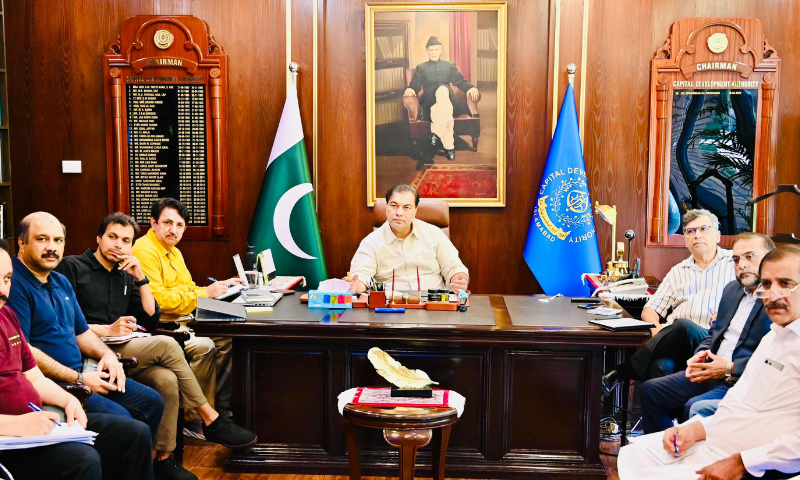
Whilte PCB Chief Operating Officer Sameer Ahmed Syed is physically representing Pakistan at the meeting, Chairman Naqvi — who also serves as President of the Asian Cricket Council (ACC) — has chosen to participate virtually from Islamabad. His absence from the in-person gathering has reportedly triggered frustration among Indian officials.
Further intensifying the standoff, Naqvi has scheduled a separate ACC meeting in Dhaka, a move strongly opposed by India, Afghanistan, Oman, and Sri Lanka. Indian media sources suggest that any decisions made at the Dhaka meeting—absent participation from these key member nations—will be deemed inconsequential.
At the heart of the dispute is India’s demand for a change of venue for the ACC meeting, with the future of the Asia Cup 2025, scheduled tentatively for September in T20 format, hanging in the balance. India is currently set to host the tournament.
Sources within the ACC indicate that Naqvi remains firm in his stance and has refused to alter the venue, despite mounting pressure. In an attempt to de-escalate the situation, the ACC has offered member countries the option to join the Dhaka meeting virtually, should physical attendance prove challenging.
Tensions between cricket boards in the region have escalated in recent years, particularly over hosting rights, political sensitivities, and scheduling disagreements. While past reports hinted at India’s potential withdrawal from the Asia Cup, Jay Shah had previously dismissed such speculation. However, the latest developments suggest the threat may now carry greater weight.
As diplomatic maneuvering continues behind the scenes, the looming possibility of a boycott by India—the region’s most commercially powerful cricketing nation—has raised serious concerns about the viability of one of Asia’s most prestigious cricket tournaments.