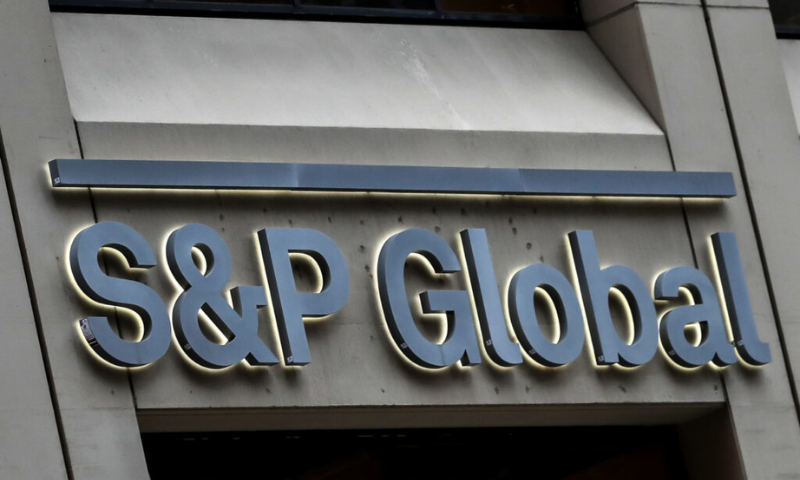
Islamabad, July 24, 2025: In a significant development for Pakistan’s economy, Standard & Poor’s (S&P) has upgraded the country’s long-term sovereign credit rating from ‘CCC+’ to ‘B-’, citing the implementation of critical reforms and a reduction in default risks. The upgrade, the first in over two and a half years, raises Pakistan’s credit standing from “very high credit risk” to “highly speculative,” although it remains two levels below investment grade. The rating agency also assigned a ‘stable’ outlook, reflecting confidence in Pakistan’s ability to maintain fiscal discipline and receive continued support from international partners.
S&P acknowledged the coalition government led by the Pakistan Muslim League-Nawaz (PML-N) for showing the political will to implement necessary reforms under the IMF programme without triggering widespread social unrest. The Ministry of Finance was commended for adhering to IMF conditions and successfully completing the first review of the Extended Fund Facility (EFF), despite criticism over tough decisions that shaped the new budget. According to the agency, Pakistan’s replenished foreign exchange reserves and adherence to fiscal targets have significantly reduced the likelihood of sovereign default in the near term.
However, the agency noted that vulnerabilities persist, particularly concerning the exchange rate. It stated that past depreciation of the Pakistani rupee had stagnated nominal GDP per capita and led to the emergence of a grey market, which required intervention by the military establishment. Despite these concerns, S&P expects GDP per capita to surpass $2,000 by the fiscal year 2027, driven by stable exchange rates and rising real economic growth.
While acknowledging the progress made, S&P underscored the importance of political stability and a secure environment for any future upgrades. The agency highlighted that Pakistan’s political scene has remained volatile since the ousting of former Prime Minister Imran Khan in April 2022, describing a stable political setup as a key condition for enhanced creditworthiness. It also flagged the potential for a deterioration in the security situation, citing heightened border tensions with India following the Pahalgam terrorist attack earlier this year.
Pakistan’s economic fundamentals have shown signs of improvement. The current account posted a surplus in fiscal year 2025—the first in 14 years—driven by record remittances amounting to $39 billion, or 9.5 percent of GDP. Tax revenues rose by 3 percent of GDP over the last 12 months, and with expenditure controls in place, S&P forecasts that the general government deficit will decline to 5.1 percent of GDP in fiscal 2026, though this remains higher than the government’s budget target. Inflation is projected to stay around 6.5 percent over the next two to three years, which is expected to allow further easing of monetary policy. As interest rates fall, government interest payments are forecast to average 41 percent of revenue over the next three years, compared to over 60 percent in fiscal 2024.
Despite these positive trends, the agency cautioned that Pakistan’s interest-servicing-to-revenue ratio remains among the highest globally, and that debt sustainability is still under strain. The debt-to-revenue ratio is projected to worsen from 443 percent to 454 percent during the current fiscal year. The agency warned that any sharp deterioration in external or fiscal indicators could trigger a downgrade. Risks include the erosion of financial support from key bilateral and multilateral partners, a substantial fall in foreign exchange reserves, or a renewed surge in interest rates that would add further pressure to already high debt servicing costs.
S&P concluded that while near-term risks have eased, Pakistan must continue on the path of reform and fiscal responsibility to maintain its current rating and work toward further improvements.